
ALS
Treatment
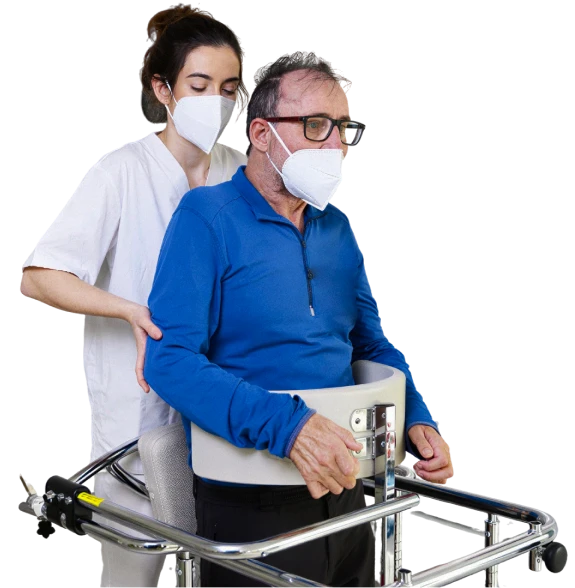
Discover Non-Surgical Treatment for ALS
Many individuals diagnosed with ALS seek therapies that may help support their overall health, mobility, and quality of life. While conventional treatment approaches often focus on symptom management, advanced treatment options offers an innovative approach centered on supporting cellular health and the body’s natural restorative processes.
At Cendant Stem Cell Center, we take a comprehensive approach to evaluating each patient’s condition and developing personalized treatment strategies. Our goal is to help patients explore advanced regenerative therapies that may support overall wellness and daily function.
What Is ALS?
Genetic predisposition
Family history of ALS
Age-related risk factors
Environmental exposures
Neurological degeneration
Motor neuron dysfunction
Oxidative stress
Cellular damage
Inflammatory processes
Certain inherited genetic mutations
Common Symptoms of ALS
- Progressive muscle weakness
- Difficulty walking
- Frequent tripping or falling
- Muscle cramps
- Muscle twitching
- Weakness in the arms or legs
- Difficulty gripping objects
- Changes in speech
- Difficulty swallowing
- Fatigue during physical activity
- Reduced coordination
- Breathing difficulties as the condition progresses

Our Comprehensive Assessment Process

Comprehensive Medical History Review
We review your symptoms, diagnosis, medical history, previous treatments, medications, and overall health status to gain a complete understanding of your condition.

Functional Health Evaluation
Our team assesses mobility, muscle function, daily activity limitations, and quality-of-life concerns to better understand how ALS is affecting your life.


Diagnostic Review
Available neurological evaluations, imaging studies, laboratory testing, and specialist records are carefully reviewed to assess disease progression and overall health.

Personalized Treatment Planning
Based on our findings, we develop a customized advanced treatment options strategy tailored to your condition, wellness goals, and supportive care needs.
Why Cendant's Cellular Program May Help ALS
At Cendant Stem Cell Center, we take a patient-centered approach to advanced treatment options that focuses on supporting overall health, function, and quality of life.
- Personalized Treatment Plans
Every patient receives a customized care strategy based on their diagnosis, health history, symptoms, and personal goals. - Advanced Treatment Options
Our therapies are designed to support cellular health and promote a healthier internal environment throughout the body. - Focus on Quality of Life
We strive to help patients maintain independence, comfort, and daily function whenever possible. - Experienced Clinical Team
Our providers have experience working with complex neurological conditions and developing individualized care plans. - Comprehensive Support
From your initial consultation through follow-up care, our team remains dedicated to supporting patients and families throughout their treatment journey.
Areas Commonly Impacted by ALS
ALS progressively affects muscle control, often leading to weakness in the arms, legs, hands, and other muscle groups.
Walking, climbing stairs, standing, and other physical activities may become increasingly difficult as the condition progresses.
Many individuals experience changes in speech clarity, volume, and communication abilities.
ALS can affect the muscles involved in swallowing, making eating and drinking more challenging.
As respiratory muscles become affected, breathing capacity may gradually decline over time.
Routine tasks such as dressing, grooming, cooking, and household activities may become more difficult as symptoms advance.
Frequently Asked Questions
What is ALS?
What causes ALS?
Is ALS hereditary?
Am I a candidate for regenerative treatment?
Can advanced treatment options cure ALS?
How do I get started?
Get Started Today
Tell Us About Your Condition
HOW CAN WE HELP YOU RIGHT AWAY?
Share your symptoms, concerns, or treatment goals and a Care Coordinator will contact you to discuss your options.
Patient Information
Patient Information
Disclaimer: Stem cell therapies are not approved by the FDA. Stem cells are not a cure for any condition, disease, or injury. The information on this page is not medical advice and is provided for educational and informational purposes only. To learn more about FDA regulations, please visit the following link.