
Meniscus Tears
A meniscus tear is one of the most common knee injuries, affecting athletes and active individuals as well as those experiencing age-related joint changes. A torn meniscus can cause pain, swelling, stiffness, and limited knee function, making everyday activities such as walking, climbing stairs, or exercising increasingly difficult.
At Cendant Stem Cell Center, we provide advanced regenerative medicine therapies designed to support the body’s natural healing response and help patients explore non-surgical treatment options for meniscus tears. Our personalized care plans focus on reducing discomfort, improving knee function, and helping patients return to the activities they enjoy.
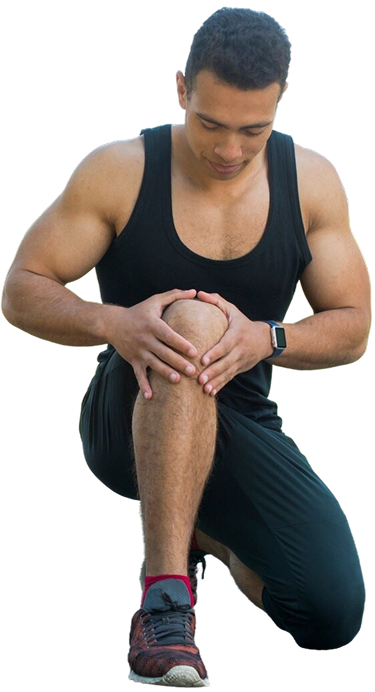
Finding Relief from Meniscus Tear Starts Here
The meniscus is a piece of cartilage that cushions and stabilizes the knee joint. When it becomes torn due to sports injuries, sudden twisting movements, or natural wear over time, it can interfere with your ability to move comfortably and confidently.
At Cendant Stem Cell Center, our physicians perform comprehensive evaluations to understand the severity of your injury and develop personalized regenerative medicine treatment plans based on your condition, activity level, and long-term recovery goals.
Common Symptoms of a
Meniscus Tear
Knee Pain
Pain along the inside or outside of the knee that may worsen with movement.
Swelling
Inflammation that often develops within hours or days following the injury.
Knee Stiffness
Difficulty bending or straightening the knee comfortably.
Locking or Catching
A sensation that the knee catches or locks during movement.
Reduced Range of Motion
Limited flexibility that affects walking, squatting, or climbing stairs.
Knee Instability
A feeling that the knee may give way during everyday activities.
How Regenerative Medicine Works
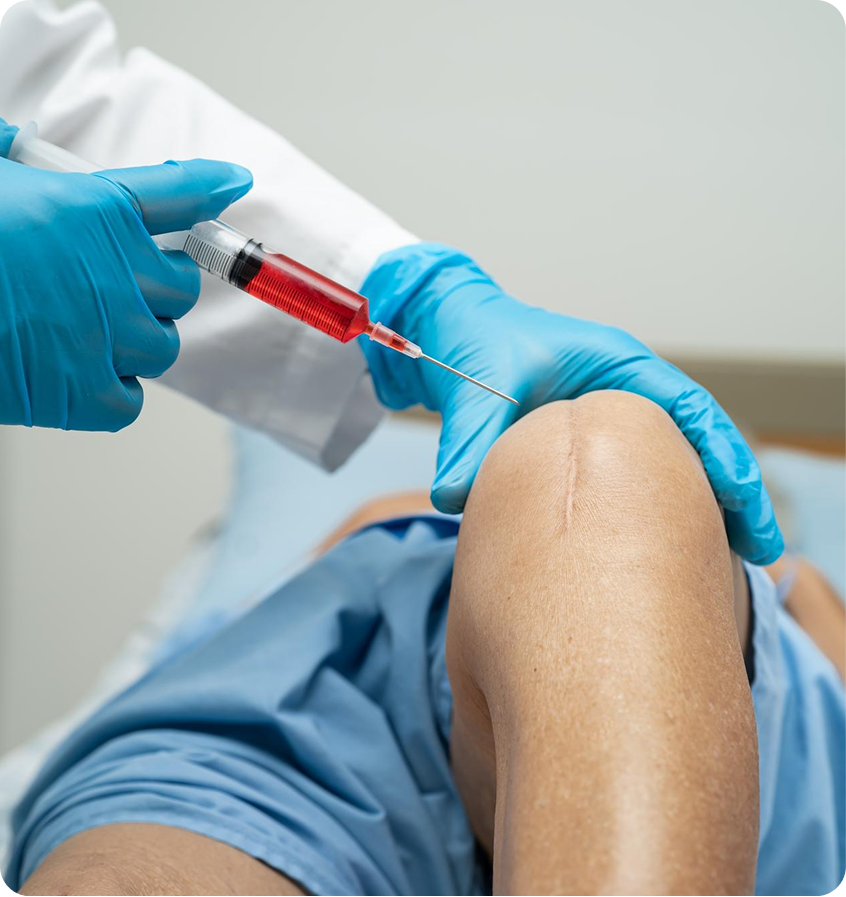
Stem cells are often referred to as the body’s natural repair cells because of their ability to support tissue regeneration and healing processes. Depending on the severity of your meniscus injury, physicians may recommend a combination of regenerative therapies including:

Stem Cells
Designed to support the body’s natural repair and regenerative capabilities.

PRP
Platelet-rich plasma containing natural growth factors that may support the body’s healing response.

Extracellular Matrix
Provides structural support that helps create an environment favorable for tissue repair.
The goal is to support the body’s natural healing response while helping patients improve knee function, reduce discomfort, and return to everyday activities with greater confidence.
Potential Benefits of Stem Cell
Therapy for Meniscus

Reduced Knee Pain
May help decrease discomfort associated with meniscus injuries.

Support for Tissue Healing
Designed to promote a healthier environment for cartilage and surrounding structures.

Improved Knee Function
Supports healthier movement, flexibility, and joint stability.

Non-Surgical Treatment Option
May provide an alternative for appropriate candidates seeking to avoid or delay knee surgery.
Is Stem Cell Therapy Right for You?
You have been diagnosed with a meniscus tear
You experience persistent knee pain or swelling
Your knee locks, catches, or feels unstable
Conservative treatments have provided limited relief
You want to avoid or delay knee surgery
Your injury is limiting work, sports, or daily activities
You want to return to an active lifestyle
You are looking for a personalized regenerative treatment plan
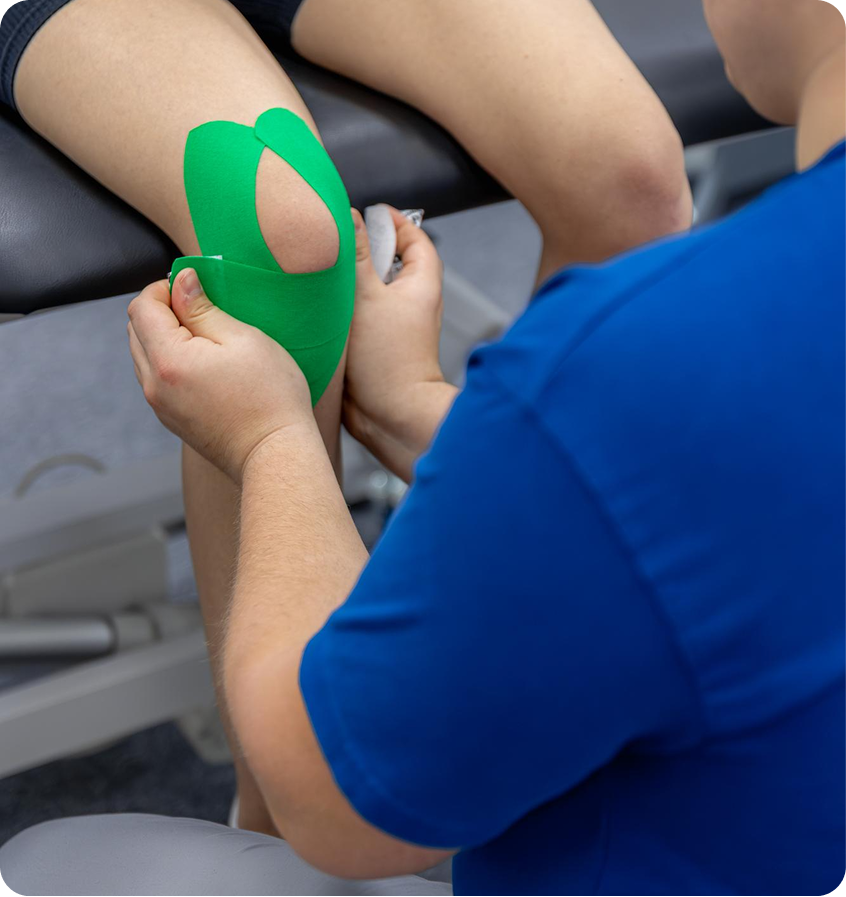
Every patient receives a comprehensive evaluation to determine whether regenerative medicine may be appropriate for their condition.
What to Expect

Comprehensive Evaluation
Our physicians assess your symptoms, medical history, imaging studies, and knee function to better understand your injury.

Personalized Treatment Plan
If appropriate, we develop a customized regenerative medicine strategy tailored to your diagnosis and recovery goals.

Ongoing Care & Follow-Up
Our team monitors your progress and provides continued support throughout your recovery journey.
Posted on GoogleTrustindex verifies that the original source of the review is Google. Cendant has changed the course of my life with stem cell treatment for my lower back. I have been dealing with chronic pain and inflammation for 10 years. Cortizone stopped working and my only recommended option had been surgery or pain meds. Dr. Lann introduced me to regenerative medicine with stem cells, exozomes, etc. He was incredibly informative and upfront about expectations for this type of treatment. I'm so appreciative to have found Cendant Stem Cell and give a full recommendation.Posted on GoogleTrustindex verifies that the original source of the review is Google. From beginning to end, everyone was kind and professional. Crystal did a perfect job administering the Stem Cell & Exosome IV. The doctor was amazing and gave me a hopeful vision for the future.Posted on GoogleTrustindex verifies that the original source of the review is Google. I'm grateful to have found Cendant Stem Cell Center. After I was told by 2 other doctors that I had to have surgery for my shoulder arthritis, they have given me a solution without the downtime of surgery. This is a professional team that gets you back to peak condition.Posted on GoogleTrustindex verifies that the original source of the review is Google. After years of seeing a pulmonologist with no real improvement , Cendant Stem Cell was the first place to use stem cells and exosomes to advance my care. Within a few weeks I had improvement at approximately 80% with fatigue and shortness of breath. Unexpectedly, there was also a boost in my mental clarity. For the first time, in a long time, I'm feeling hope for the future. Highly recommended for anyone with COPD.Posted on GoogleTrustindex verifies that the original source of the review is Google. I had an amazing experience with Cendant Stem Cell Center in the DTC. From the moment I chatted with Crystal, the patient coordinator, I knew these people were professional, exceptional in this field, and genuinely concerned about patient outcomes. I received stem cell injections in my knees and the results have been amazing! I feel good again. The pain is gone, stability has improved. This has made a huge difference during normal daily activities. If you're looking for the surgery alternative, this clinic delivers results.Posted on GoogleTrustindex verifies that the original source of the review is Google. Cendant Stem Cell is truly pioneering the latest in foot neuropathy treatment. I can't say enough good things about the staff and the success I've made in the last several months. They were able to deal with the root of the problem, and now my quality of life is on a different level.Posted on GoogleTrustindex verifies that the original source of the review is Google. Solved my hip problem within 5 weeks of treatment. Dr. Lann is friendly and really an expert in regenerative orthopedics!Posted on GoogleTrustindex verifies that the original source of the review is Google. I've had a 5 year injury from a bike crash that has never improved. Cortizone injections for the shoulder tear helped for a few months, but lifting remained a problem. I met with Dr. Lann who explained the problem, we reviewed imaging and recommendations. He is extremely knowledgeable. The procedure ended up including stem cells, exosomes and platelet lysate. He used ultrasound for the 3 injections sites, the pain was minimal. At 2 months post, I'm able to lift, sleep and do daily activities without pain. Special thanks to Shannon who always made me comfortable.Posted on GoogleTrustindex verifies that the original source of the review is Google. I spent 20 years playing hockey and was tough on my knees. I was told I needed replacement surgery on both knees. Instead of surgery, I had the stem cell treatment done by Dr. Lann at Cendant Stem Cell. After a couple of months, I started feeling improvement and now, at 6 months, I'm better than expected. Call Crystal with your initial questions if you are needing an option to surgery.
Frequently Asked Questions
What is a meniscus tear?
A meniscus tear is an injury to the cartilage that cushions and stabilizes the knee joint.
What causes a meniscus tear?
Meniscus tears commonly occur due to twisting movements, sports injuries, sudden impacts, or age-related degeneration.
Can regenerative medicine help a meniscus tear?
Some patients with meniscus tears may be candidates for regenerative medicine. Treatment recommendations are based on a comprehensive evaluation of the injury.
Will I need knee surgery?
Not every patient requires surgery. Many individuals explore non-surgical regenerative medicine options before considering surgical repair.
How do I know if I am a candidate?
A consultation with our physicians can help determine whether regenerative medicine may be appropriate for your condition.
Tell Us About Your Condition
Share your symptoms, concerns, or treatment goals and a Care Coordinator will contact you to discuss your options.
Patient Information
Patient Information
Disclaimer: Stem cell therapies are not approved by the FDA. Stem cells are not a cure for any condition, disease, or injury. The information on this page is not medical advice and is provided for educational and informational purposes only. To learn more about FDA regulations, please visit the following link.