
Peripheral Neuropathy
Treatment
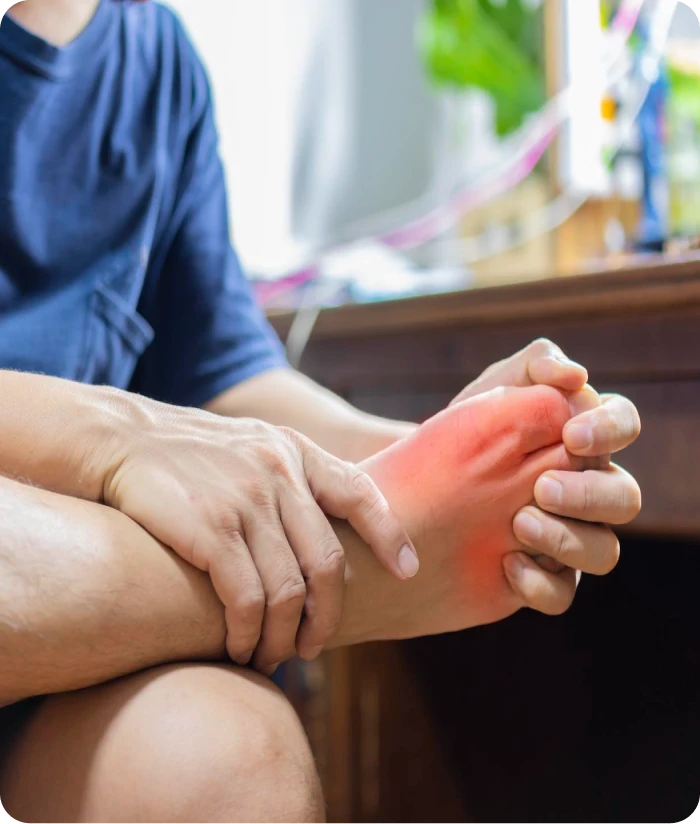
Peripheral neuropathy is a condition that occurs when nerves outside the brain and spinal cord become damaged or dysfunctional. This can lead to symptoms such as numbness, tingling, burning sensations, weakness, and chronic discomfort that can significantly impact daily activities and overall quality of life.

Discover Non-Surgical Treatment for Peripheral Neuropathy
Many individuals living with peripheral neuropathy seek alternatives to treatments that primarily focus on symptom management. advanced treatment options offers an innovative approach centered on supporting cellular health and the body’s natural repair mechanisms.
What Is Peripheral Neuropathy?
Diabetes
Autoimmune disorders
Chronic inflammation
Vitamin deficiencies
Nerve injuries
Infections
Metabolic disorders
Exposure to toxins
Chemotherapy-related nerve damage
Circulatory issues
Genetic conditions
Age-related nerve degeneration
Common Symptoms of Peripheral Neuropathy
- Numbness in the hands or feet
- Tingling sensations
- Burning pain
- Sharp or stabbing nerve pain
- Increased sensitivity to touch
- Muscle weakness
- Loss of coordination
- Difficulty walking
- Balance problems
- Reduced sensation
- Cramping or muscle spasms
- Feeling as though you are wearing gloves or socks when you are not
- Difficulty detecting temperature changes
- Pain that worsens at night
Our Comprehensive Assessment Process

Comprehensive Medical History Review
We review your symptoms, medical history, medications, lifestyle factors, previous treatments, and overall health to better understand the underlying causes of your condition.

Functional Health Evaluation
Our team assesses sensation, mobility, strength, balance, coordination, and daily activity limitations to evaluate how neuropathy is affecting your life.

Diagnostic Review
Available neurological evaluations, imaging studies, laboratory testing, and specialist reports are carefully reviewed to assess nerve function and overall health status.

Personalized Treatment Planning
Based on our findings, we develop a customized advanced treatment options strategy tailored to your condition, symptoms, and wellness goals.
Why Cendant's Cellular Program May Help Peripheral Neuropathy
At Cendant Stem Cell Center, we take a patient-focused approach to advanced treatment options that emphasizes personalized care, nerve health, and overall wellness.
- Personalized Treatment Plans
Every patient receives an individualized care strategy designed around their diagnosis, symptoms, health history, and goals. - Advanced treatment options
Our therapies are designed to support cellular health and promote a healthier environment for the body’s natural healing processes. - Focus on Function and Comfort
We strive to help patients improve daily function, mobility, and overall quality of life. - Experienced Clinical Team
Our providers have experience evaluating complex nerve-related conditions and developing customized treatment plans. - Comprehensive Support
From consultation through follow-up care, our team remains dedicated to supporting patients throughout their treatment journey.
Areas Commonly Impacted by Peripheral Neuropathy
Many individuals first notice symptoms such as numbness, tingling, burning sensations, or reduced sensation in the feet and toes.
Peripheral neuropathy can affect walking, balance, coordination, and lower body strength, making everyday movement more difficult.
Symptoms may impact grip strength, dexterity, and the ability to perform routine tasks such as writing, typing, or handling small objects.
Nerve dysfunction can interfere with the body's ability to detect position and movement, increasing the risk of instability and falls.
Weakness, cramping, and reduced muscle control may occur when motor nerves become affected.
Simple activities such as walking, driving, exercising, cooking, and personal care may become increasingly challenging as symptoms progress.
Frequently Asked Questions
What is peripheral neuropathy?
What causes peripheral neuropathy?
Can peripheral neuropathy affect both hands and feet?
Am I a candidate for regenerative treatment?
Is peripheral neuropathy reversible?
How do I get started?
Tell Us About Your Condition
Share your symptoms, concerns, or treatment goals and a Care Coordinator will contact you to discuss your options.
Patient Information
Patient Information
Disclaimer: The content on this site is for general informational purposes only and is not a substitute for professional medical advice, diagnosis, or treatment. Please confirm any information with other sources and consult your licensed healthcare provider regarding medical conditions or treatments. Individual results may vary. Patient and endorser statements reflect personal experiences and do not guarantee outcomes.