
Stem Cell Therapy for Parkinson’s Disease: A Promising Path to Symptom Relief and Slowed Progression
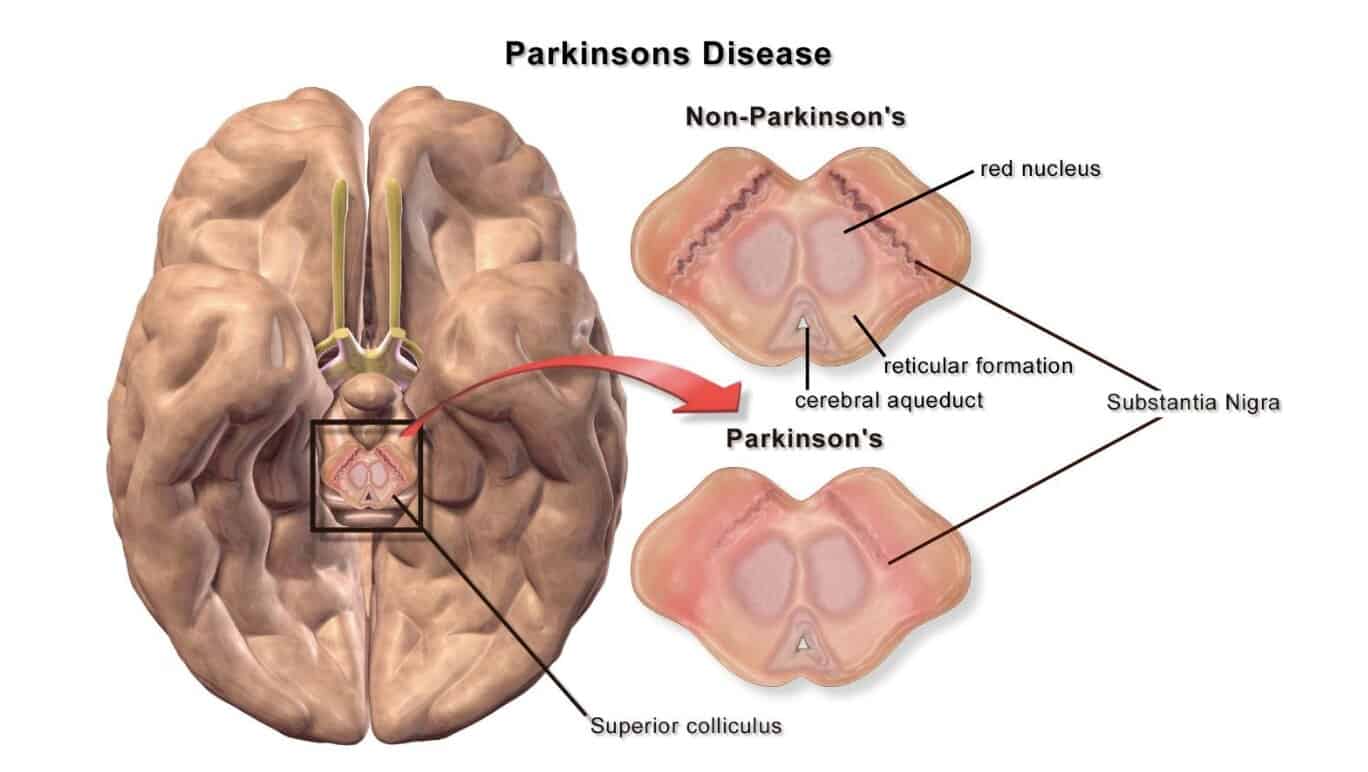
Parkinson’s disease (PD) is a progressive neurodegenerative disorder that affects nearly 1 million Americans and over 8.5 million people worldwide. It robs patients of movement control, speech clarity, cognitive sharpness, and independence. While medications help manage symptoms, they do not halt the underlying loss of dopamine-producing neurons in the substantia nigra.
Regenerative approaches at Cendant Stem Cell Center, particularly using donated umbilical cord-derived mesenchymal stem cells (MSCs) combined with exosomes, are generating real hope. These therapies target inflammation, support neuron survival, and promote repair.
Understanding Parkinson’s Disease and Its Daily Toll

Parkinson’s disease develops when dopamine-producing neurons die, disrupting signals that control movement and other functions. Classic motor symptoms include resting tremors, bradykinesia (slowness), rigidity, and gait instability (shuffling, freezing, poor balance). Non-motor symptoms such as brain fog, speech difficulties (hypophonia or dysarthria), depression, sleep problems, and cognitive decline often prove equally debilitating.
These issues severely impact quality of life. Mobility limitations top patient complaints, followed by emotional well-being and cognitive challenges. Many patients report losing independence in daily activities, leading to frustration, isolation, and caregiver burden. Traditional treatments (levodopa, dopamine agonists, deep brain stimulation) provide symptomatic relief but do not stop progression, and long-term use can cause side effects like dyskinesia.
The Science Behind Stem Cell and Exosome Therapy
Mesenchymal stem cells (MSCs) from donated umbilical cord tissue offer powerful advantages: they are young, highly potent, anti-inflammatory, and low-immunogenicity. They do not require genetic matching and work mainly through paracrine effects, secreting growth factors, cytokines, and extracellular vesicles (exosomes).
Exosomes are tiny nano-sized vesicles that act as “messengers.” They cross the blood-brain barrier, deliver neuroprotective cargo (proteins, miRNAs, BDNF), reduce microglial inflammation, inhibit neuronal apoptosis, promote autophagy, and support dopaminergic neuron survival. Preclinical studies (MPTP and 6-OHDA rodent models) consistently show improved motor function, reduced neuronal damage, and modulation of the gut-brain axis with umbilical cord MSCs and their exosomes.
Human clinical evidence is growing rapidly. Early trials using umbilical cord MSCs (intravenous) reported UPDRS motor score improvements, tremor/rigidity reduction, and good safety profiles with no serious adverse events. Recent 2025 Phase II data using allogeneic mesenchymal stem cells demonstrated statistically significant motor function gains versus placebo, with hints of disease-modifying potential. Exosome-specific trials for Parkinson’s are also underway.
Intravenous mannitol is a safe, FDA-approved osmotic agent that is administered shortly before the stem cell and exosome infusion. Mannitol creates a temporary, reversible increase in blood brain barrier permeability by drawing fluid from endothelial cells in brain blood vessels, shrinking them and loosening tight junctions. This “window” (typically lasting 30–120 minutes) allows the stem cells, exosomes, and neuroprotective factors to cross into the central nervous system without invasive procedures like direct brain injection. This is particularly important in treating neurological conditions such as Parkinson’s
Real Patient Outcome: A 75-Year-Old Man’s Remarkable Recovery

Consider the case of one of our recent patients, a 75-year-old male diagnosed with Parkinson’s several years ago. He struggled daily with significant hand and arm tremors, shuffling gait with frequent freezing, brain fog that made concentration and conversation difficult, and soft, slurred speech that affected his confidence and social life.
He received our intravenous protocol combining donated umbilical cord-derived mesenchymal stem cells and exosomes. The treatment was well-tolerated with no downtime.
Improvements began quickly, within days, he noticed reduced tremor intensity and clearer thinking. Over the following six months, gains continued steadily: his gait normalized, tremors became minimal to absent (even off medication at times), brain fog lifted dramatically, and his speech volume and clarity improved noticeably. He regained confidence walking unaided, returned to hobbies he had abandoned, and reported a profound boost in overall quality of life.
Our doctors at Cendant Stem Cell Center recommend annual maintenance treatments for Parkinson’s Disease to sustain benefits and slow disease progression by continuing to modulate inflammation and support neuronal health.
What Patients Can Expect: Timelines, Benefits, and Safety
Most patients notice initial changes within 1–4 weeks (reduced tremor, better mental clarity, improved energy), with peak benefits often appearing between 3–9 months as repair mechanisms take effect. Common reported improvements include:
- Decreased tremor severity
- Smoother, more confident gait and balance
- Reduced brain fog and better focus/memory
- Stronger voice and clearer speech
- Better sleep and mood
The combination of cells + exosomes appears synergistic, enhancing anti-inflammatory and regenerative effects. Safety data across trials is excellent, with mild side effects (temporary headache, fatigue) resolving quickly.
Moving Forward with Regenerative Hope
Stem cell therapy using umbilical cord MSCs and exosomes at Cendant Stem Cell Center represents one of the most promising regenerative options for Parkinson’s today. It does not “cure” the disease but offers meaningful symptom control, functional recovery, and the potential to slow progression—outcomes that traditional treatments have struggled to match.
If you or a loved one are living with Parkinson’s and seeking options beyond symptom management, regenerative therapies deserve serious consideration.
Ready to explore whether stem cell therapy could help you? Contact our team at Cendant Stem Cell Center for a personalized consultation. Stories like this remind us that real improvement is possible—and the future of Parkinson’s care is brighter than ever.


