WHAT IS
INTEGRATIVE CARE
FOR PARKINSONS DISEASE
Integrative care is a physician-guided approach that some patients use alongside standard neurologic treatment to help manage daily symptoms.


Integrative care is a physician-guided approach that some patients use alongside standard neurologic treatment to help manage daily symptoms.
Integrative care is a physician-guided approach that some patients use alongside standard neurologic treatment to help manage daily symptoms.
—Rejuvenate Your Life
Integrative care is a supportive option that some people explore in addition to the plan they already have with a neurologist. It is intended to address comfort, mobility, energy, and quality of life, not cure Parkinson’s disease.
A personalized program will not replace prescribed medication. For the right candidate, it may be one more tool for staying as active and independent as possible.
Research and clinical experience do not allow us to promise that any non-approved therapy will treat Parkinson’s. Depending on your symptoms and medical history, supportive care may be directed at helping you work toward:

Results vary, and medication changes should only be made by your prescribing physician.
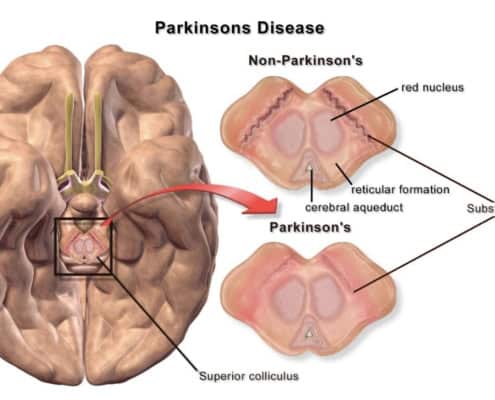
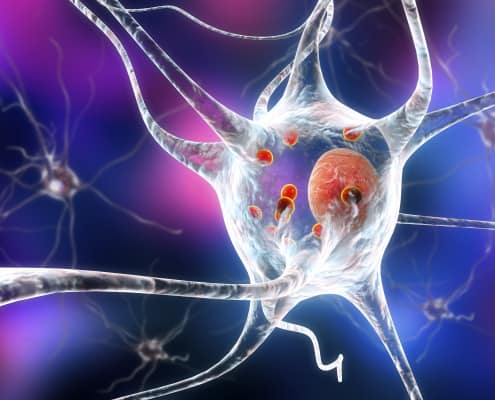
Parkinson’s disease is a degenerative illness that attacks the body’s central nervous system. This progressive disease causes damage to the brain’s nerve cells, particularly those responsible for the production of the neurotransmitter dopamine.
Dopamine is a naturally occurring substance that regulates the messages sent from the brain to the body’s muscles. When these messages are interrupted by Parkinson’s disease, the patient experiences problems with movement and the coordination of muscles. Up to 80% of a sufferer’s cells are affected, which means the condition is irreversible. Despite worldwide research, there is no cure for Parkinson’s.
Unfortunately, there is no cure for Parkinson’s. However, there are therapies aimed at reducing the symptoms associated with the disease and improving the patient’s overall quality of life.
Most of the mainstream remedies involve the use of prescription drugs, herbal ingredients, and supplements, all of which are aimed at alleviating symptoms. But there is growing optimism in this area as research continues. Studies into neuroscience and the efficacy of treatments are ongoing, and they’re delivering some promising results.
While the gradual depletion of dopamine levels is one of the primary causes of Parkinson’s, it isn’t the only one. The progression of the condition is also caused by the loss of serotonin. And even after patients respond to treatments related to the enhancement of dopamine levels, the serotonin loss continues unabated.
Cendant Stem Cell Center is an integrative clinic. Our role is to review whether supportive therapies may reasonably fit alongside the neurologic care you already receive.
A visit starts with your movement symptoms, stamina, sleep, comfort, and daily routine. When appropriate, a physician-guided plan may include options such as targeted activity support, photobiomodulation/laser therapy, PEMF, vitamin or NAD+ IV wellness protocols, and other non-surgical modalities chosen for function and quality of life.
Expectations should stay realistic. Integrative care may help some people feel more supported with stiffness, energy, or recovery after activity. Integrative therapies for treating Parkinson’s are not FDA approved and should not replace medication or follow-up with your neurologist.
Please see the comments and personal video testimonies on our website to see our patients’ experience and their personal journey to wellness with Cendant.
Please see the comments and personal video testimonies on our website to see our patients’ experience and their personal journey to wellness with Cendant.