
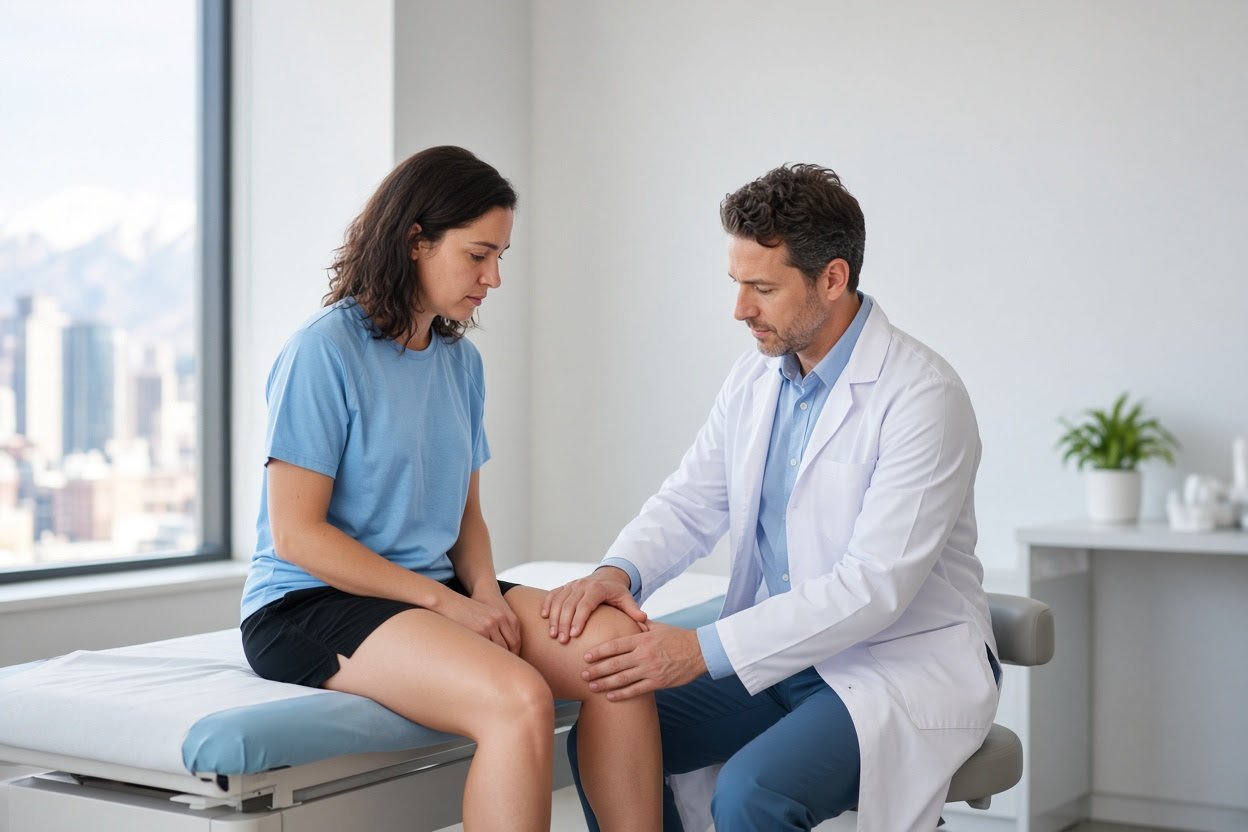
Knee pain after a hike or problems on the stairs may reflect more than getting older, especially for active residents of Denver. If your knees ache after activities or stiffen up during winter, arthritis could be the cause—a common concern in Colorado’s active community. Here’s what to know about knee arthritis and available solutions.
What Is Knee Arthritis and Who Gets It?
Knee arthritis develops because of wear or inflammation in the knee tissues, including cartilage and the meniscus. The meniscus absorbs shock, and ligaments help keep the joint stable.
When arthritis sets in, cartilage thins or gets inflamed, which leads to bones rubbing against each other. You might notice pain, swelling, stiffness, or even grinding sounds. Unlike sharp pain after a sudden injury, arthritis discomfort builds up gradually over time.
Types of Knee Arthritis: Osteoarthritis, Rheumatoid, and Others
Denver residents most commonly face:
- Osteoarthritis (OA): This is by far the most frequent, especially in older adults, and develops after many years of movement and use. The American Academy of Orthopaedic Surgeons (AAOS) reports OA makes up most cases in Denver.
- Rheumatoid Arthritis (RA): An immune condition in which the body’s defenses attack the joint lining. It may start at a younger age but is much less common.
- Post Traumatic Arthritis: Arises years after an earlier injury to the knee, whether from sports, falls, or accidents.
- Less common types: Such as juvenile forms or those related to crystal build-up like gout.
How Knee Arthritis Differs From Other Knee Pain
Arthritis produces a dull, ongoing ache that rest does not fully relieve. Walking or stair climbing can flare up pain or trigger stiffness. By contrast, acute injuries more often cause sudden sharp pain or a sensation of instability.
Who Is Most at Risk in Denver?
Older age and prior knee injuries increase the odds, as does the high activity level seen in Colorado. Sports, including skiing, hiking, and running, create extra knee strain, especially when past injury exists. Although Denver’s weather can worsen arthritis symptoms, it isn’t the cause.
Recognizing Symptoms and Stages of Knee Arthritis
The condition begins with mild symptoms and progresses gradually.
Early Warning Signs and Symptoms
Look for:
- Stiffness after periods of sitting or upon waking, which lessens with gentle movement
- Clicking sounds when moving the knee
- Soreness after walks or outdoor exercise
- Areas of swelling around the knee
Recognizing these signs early gives you a better chance of limiting long-term issues.
How the Disease Progresses
Initially, pain and stiffness are minor and occasional. Gradually, symptoms may become constant, joint movement gets limited, and routine tasks sometimes lead to limping. In advanced cases, pain can disrupt sleep and everyday activities.
Denver’s climate and high elevation can result in more noticeable swelling or stiffness, especially after time outdoors. Winter and hilly walks tend to worsen symptoms.
Misdiagnosis and Altitude Effects
Symptoms are sometimes misread as a lingering sports injury. While elevation may make joint swelling more apparent, it is not a direct cause. If the knee feels hot, turns red, or swells on one side only, medical assessment is needed.
Diagnosis: How Knee Arthritis Is Confirmed in Denver
Doctors assess your history and inspect your knee. As noted by groups including the AAOS and the Colorado Orthopaedic Society, your description and a physical exam provide most of the answers.
Physical Exams, Imaging, and Lab Tests
After checking your knee in the office, an X-ray usually comes next to see changes in cartilage and joint space. Sometimes, doctors order an MRI to examine the cartilage and soft tissues or to rule out other issues. Blood tests check for types like RA. Most diagnoses come from a standard exam and X-ray.
Missteps in Early Diagnosis
Patients sometimes postpone seeing a doctor or request an MRI that is not always needed, adding delays to proper management. In Denver, most arthritis cases get diagnosed through a basic exam and X-ray. If your knee locks, gets red, or becomes very swollen, seek care right away.
Denver’s Health System: Timing and Access
Many orthopedic clinics require waiting several weeks for an appointment. Insurance plans generally want you to first visit your usual doctor and get a knee X-ray before referring you to a specialist. The cost of a knee X-ray can vary, so ask for pricing details upfront.
Some local clinics and therapists now offer virtual visits for times when getting to the office is not practical.
Treatment Options: What Really Works in Denver
While arthritis can’t be reversed, most can manage discomfort and remain active when using modern approaches.
Non-Surgical Treatments
Research-supported choices include:
- Physical Therapy: Individualized exercise programs often include walking, stationary biking, swimming, and movements to increase strength. Denver therapists create routines that account for the city’s hills and weather.
- Medications: Start with nonprescription pain relievers or joint creams during symptom flares. In certain cases, prescription anti-inflammatory medications help, though long-term use may bring unwanted effects.
- Injections: Steroid shots offer temporary relief of swelling and pain, but benefits may fade within weeks. Gel injections have inconsistent outcomes.
- Braces and Supports: Special braces or shoe inserts can ease pressure and provide better knee alignment.
Treatments such as PRP (platelet rich plasma) injections and cell therapies are available locally, but outcomes are unpredictable and most patients pay on their own since insurance rarely covers the cost.
Surgery: When and What to Expect
Doctors suggest surgery only after trying more conservative measures, and if pain or stiffness limits daily life. Operations, like full knee replacement or partial procedures performed at major Denver hospitals (UCHealth, Rose Medical Center, Porter Adventist), replace worn surfaces with artificial material. Recovery often stretches over several months. Standard surgical care is typically covered by insurance for qualifying patients, but costs for those without insurance can be significant.
New and Experimental Treatments
Remote care and at-home exercises now attract more interest. Several Colorado clinics are offering procedures such as PRP or stem cell injections, but you usually pay directly. From time to time, drug studies enroll Denver patients with qualifying symptoms.
See new treatment details here.
Costs, Insurance, and Care Access
Typical exams and routine therapies are usually included in insurance plans, but newer options generally must be paid for independently. At busy clinics, delays sometimes occur, while urgent care sites and facilities downtown might give faster access. The Colorado Department of Public Health and Environment provides side-by-side local price comparisons.
Living with Knee Arthritis in Denver: Daily Life & Getting Active
Staying active in Colorado is possible, even with knee arthritis, by making smart adjustments.
Choosing and Modifying Activities
Walking on even ground, biking on flat roads, and swimming are among the safest activities. Health providers urge you to avoid exercises that involve a lot of jumping or running on hard surfaces, since these can increase discomfort.
Physical therapists frequently suggest gentle stretches and leg raises. Adapt outdoor plans—pick trails with easier slopes or change activities during snow and rain.
Denver’s Climate and Staying Comfortable
The city’s winter weather and colder months may lead to stiffer joints. Warm up before outdoor time, try pool-based workouts, and use extra caution on slippery streets. While high altitude does not directly worsen arthritis, you could experience faster leg fatigue. Plan rest stops when hiking, and pick trails with easy access.
Although most recreation centers and transit routes are friendly for those with limited mobility, snow can restrict outings in the colder seasons. Walking sticks or special attachments for shoes enhance safety during icy conditions.
Home Routines, Community Programs, and Resources
Key pillars of knee health are consistent daily movement, maintaining a healthy weight, and finding a good balance between rest and activity. Programs from Denver’s Arthritis Foundation, like Walk With Ease and gentle yoga, are offered throughout city rec centers. Assistance with rides is available for those with medical needs.
Support groups sponsored by medical offices or national organizations give information specific to Denver living and provide social support. Meetings occur both online and in person.
Find more Denver resources here.
What Next? Prognosis, Prevention, and Specialist Care
Long-Term Outlook
Arthritis usually doesn’t go away, but many Denver residents find that symptoms can be controlled and activity maintained, especially when early therapy and habits are started. For certain people, surgery can make hobbies possible again. While changes to some activities might be needed, most remain active by adapting their routines.
Ways to Slow Arthritis Progression
Steps proven to slow progression are:
- Maintaining a healthy weight range
- Building strength in the muscles supporting your knees
- Stretching and gently warming up before you exercise
- Selecting activities that are easier on joints
- Getting prompt attention for new soreness or swelling
You can often maintain comfort and mobility for years with regular routines and early action.
When to Seek Expert Help
Reach out to your doctor if pain limits your daily life, interrupts sleep, or if a knee shows sudden swelling. Primary care providers start the evaluation; they’ll refer you to a specialist if your case needs advanced care.
Big hospitals in Denver sometimes see scheduling delays, but smaller practices often take new appointments sooner. Support programs and accessibility resources are found citywide.
Frequently asked questions
What is the best treatment for arthritic knees?
No single treatment is ideal for everyone. Most people try physical therapy and specific exercises first, along with medications or injections as needed. Surgery becomes an option only when less invasive steps have not brought relief.
Is walking good for arthritis in the knee?
Walking, especially on flat and stable streets or paths, is widely encouraged by health professionals. If steep hills or gravel paths cause knee pain, select alternative routes or prefer gentler activities.
What not to do with knee arthritis?
You should avoid activities involving frequent jumping, sudden turns, running up steep grades, heavy squats, or deep lunges. Don’t ignore new pain or swelling, and avoid pressing through worsening symptoms.
Does arthritis in the knee ever go away?
Complete reversal is not possible because the lost cartilage does not grow back. Still, effective treatments make it possible for people to return to favored activities. Many in Denver stay active after therapy or surgery.
If you need more guidance or want information about Denver-focused treatment plans, visit our website for programs matched to local residents.