
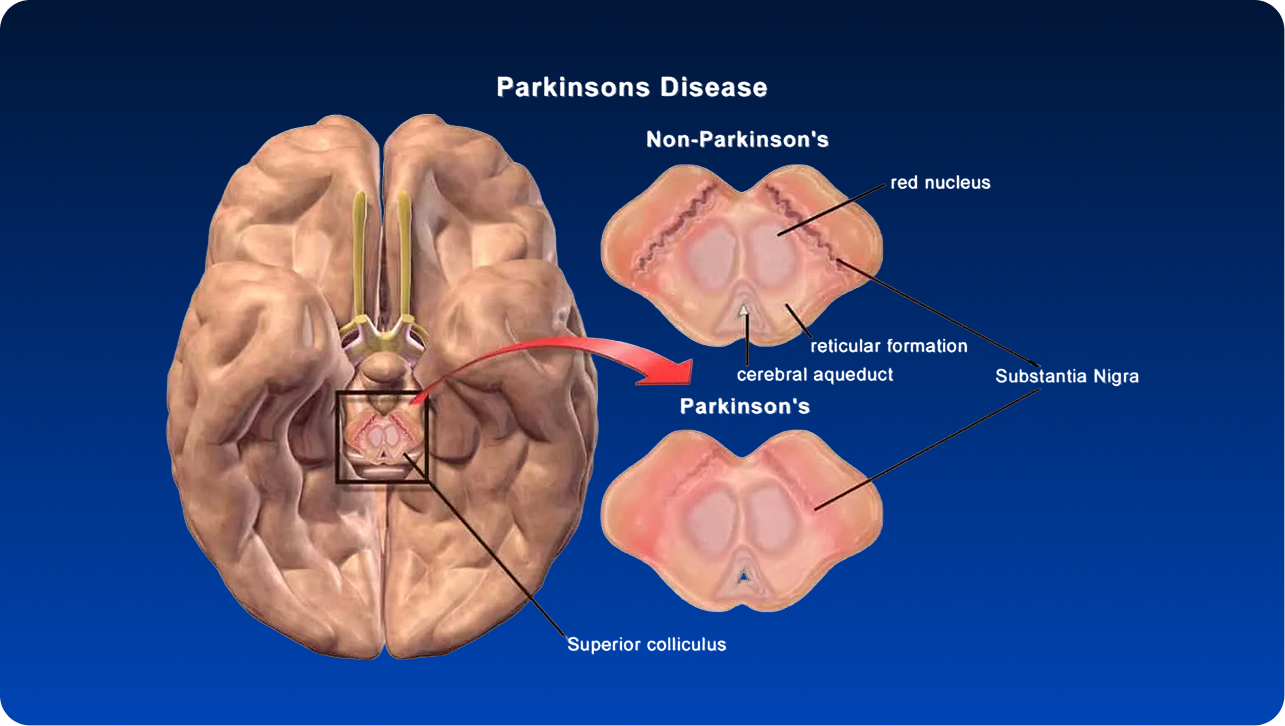
Parkinson’s disease (PD) is a progressive neurological disorder that affects movement, coordination, speech, and other aspects of daily life. According to the Parkinson’s Foundation, nearly 1 million people in the United States are living with Parkinson’s disease.
Current treatments—including medications, physical therapy, and, for some patients, deep brain stimulation—can help manage symptoms. However, researchers continue to investigate therapies that may address biological processes associated with the disease rather than focusing only on symptom control.
Stem cell therapy and exosome-based therapies are among the emerging approaches being studied for Parkinson’s disease. Research is exploring whether these therapies may influence inflammation, support neuronal survival, and potentially improve neurological function.
This article explains what stem cell therapy for Parkinson’s disease is, how researchers think it may work, what current evidence shows, potential benefits and risks, and what patients should know before considering treatment.
Understanding Parkinson’s Disease
Parkinson’s disease is a neurodegenerative disorder involving the progressive dysfunction and loss of dopamine-producing neurons, particularly in an area of the brain called the substantia nigra.
Dopamine plays an important role in controlling movement. As dopamine-producing neurons are affected, patients may develop a range of motor and non-motor symptoms.
Common Motor Symptoms
Motor symptoms may include:
- Resting tremor
- Bradykinesia, or slowed movement
- Muscle rigidity
- Changes in walking pattern
- Balance difficulties
- Freezing episodes
- Reduced coordination
Common Non-Motor Symptoms
Parkinson’s disease can also involve symptoms that are not directly related to movement, including:
- Sleep disturbances
- Depression or anxiety
- Speech changes
- Fatigue
- Cognitive difficulties
- Constipation
- Changes in blood pressure
- Reduced sense of smell
The combination and severity of symptoms vary significantly from one person to another.
How Is Parkinson’s Disease Traditionally Managed?
There is currently no universally established cure for Parkinson’s disease. Treatment generally focuses on managing symptoms, maintaining mobility, and supporting quality of life.
Depending on the individual, treatment may include:
- Levodopa/carbidopa
- Dopamine agonists
- MAO-B inhibitors
- Physical and occupational therapy
- Speech therapy
- Exercise and rehabilitation
- Deep brain stimulation for selected patients
- Other medications targeting specific symptoms
These treatments can be effective for many patients, but they do not necessarily stop the underlying neurodegenerative process.
This limitation is one reason researchers continue to investigate regenerative and neuroprotective approaches.
What Is Stem Cell Therapy for Parkinson’s Disease?
Stem cell therapy involves using cells or cell-derived biological products with the goal of influencing damaged or dysfunctional tissues.
One area of research involves mesenchymal stromal/stem cells (MSCs), including MSCs derived from umbilical cord tissue.
Researchers are studying MSCs because they may interact with surrounding cells and release signaling molecules that influence inflammation, tissue repair, and immune responses.
Cendant Health describes regenerative medicine as an area being explored for neurological conditions, including Parkinson’s disease.
What Are Mesenchymal Stem/Stromal Cells?
Mesenchymal stromal/stem cells are multipotent cells that have been investigated in a variety of regenerative medicine applications.
Rather than assuming that injected MSCs simply replace damaged neurons, current research suggests that their potential effects may involve paracrine signaling—the release of biological factors that communicate with nearby cells.
Researchers are investigating whether these signals may influence:
- Inflammation
- Immune responses
- Cell survival
- Tissue repair
- Neuroprotective pathways
The exact mechanisms and clinical significance remain under investigation.
What Are Exosomes?
Exosomes are extracellular vesicles released by cells. They contain biological molecules such as proteins, lipids, and RNA that can participate in cell-to-cell communication.
Because of their ability to carry signaling molecules, exosomes are being studied as a potential component of regenerative and neurological therapies.
Preclinical Parkinson’s research has investigated whether MSC-derived extracellular vesicles may influence neuroinflammation, neuronal survival, and motor function.
However, encouraging laboratory findings do not automatically demonstrate that the same effects will occur in humans.
What Does the Research Say?
Research into stem cell therapy for Parkinson’s disease is expanding, but the clinical evidence is still developing.
Preclinical studies—including animal models such as MPTP and 6-OHDA models—have investigated the potential effects of MSCs and MSC-derived products on dopaminergic neurons, inflammation, and motor behavior.
These studies can help researchers understand possible mechanisms, but animal results cannot be considered proof of effectiveness in humans.
Human clinical research is also underway, including studies investigating different types of stem cells, administration methods, doses, and treatment protocols.
What Have Human Studies Shown?
Early clinical studies have investigated the safety and potential neurological effects of cell-based therapies in people with Parkinson’s disease.
Some studies have reported improvements in selected clinical measures, while others have produced more mixed results.
Because clinical trials differ considerably in design, cell source, dosage, route of administration, and patient characteristics, it is difficult to determine from current evidence exactly which treatment approach is most effective.
The current evidence should therefore be viewed as promising but preliminary rather than proof that stem cell therapy can cure Parkinson’s disease or reliably stop its progression.
How Might Stem Cells Affect Parkinson’s Disease?
Researchers are investigating several possible mechanisms.
Neuroinflammation
Chronic neuroinflammation is believed to play a role in Parkinson’s disease. MSCs may influence inflammatory signaling and immune-cell activity.
Neuroprotection
Researchers are studying whether cell-derived signaling molecules may help support the survival and function of neurons.
Tissue Signaling and Repair
MSC-derived factors may interact with surrounding cells and influence biological processes associated with tissue repair.
Dopaminergic Neuron Support
Because Parkinson’s disease involves dysfunction and loss of dopamine-producing neurons, researchers are investigating whether regenerative approaches could support the dopaminergic system.
These mechanisms remain areas of active scientific research.
What About the Blood-Brain Barrier?
One challenge in neurological medicine is the blood-brain barrier (BBB), which restricts the movement of many substances from the bloodstream into the central nervous system.
Some research protocols have investigated methods for temporarily altering BBB permeability to potentially improve delivery of therapeutic agents.
One such approach involves osmotic agents such as mannitol.
However, BBB manipulation is a specialized medical procedure and should not be assumed to improve the effectiveness of every stem cell or exosome treatment.
Patients should ask their physician why a particular administration method is being recommended, what evidence supports it, and what risks may be involved.
What Potential Benefits Are Being Studied?
Research into regenerative therapies for Parkinson’s disease is investigating a variety of possible outcomes.
Movement and Motor Function
Clinical studies may evaluate measures such as:
- Tremor
- Rigidity
- Bradykinesia
- Gait
- Balance
- Overall motor scores
Quality of Life
Researchers may also assess whether treatment affects daily activities, independence, mood, sleep, and overall quality of life.
Neuroprotective Effects
A major area of interest is whether regenerative approaches could support neuronal survival or influence disease-related biological pathways.
It is important to distinguish potential research outcomes from established clinical benefits. More evidence is needed before any stem cell therapy can be considered a proven disease-modifying treatment for Parkinson’s disease.
What Can Patients Expect From Treatment?
Treatment protocols vary considerably depending on the type of cellular product, route of administration, and clinical setting.
Some protocols are performed on an outpatient basis, while others may require additional monitoring.
Patients should receive clear information about:
- What type of cells or biological products are being used
- Where the cells originate
- How the product is processed
- How the treatment is administered
- Potential risks and side effects
- Expected follow-up
- Available scientific evidence
- Alternative treatment options
Cendant’s published FAQ notes that treatment duration can vary and that patients undergo an assessment before a treatment plan is recommended.
How Quickly Could Results Appear?
There is no scientifically established timeline that applies to every patient.
Some patients may report changes within weeks, while others may experience no meaningful improvement.
Patients should be cautious of treatment claims that promise a specific degree of improvement or a guaranteed timeline.
Patient Experiences and Testimonials
Patient stories can provide insight into why people explore regenerative medicine, but they should not be confused with clinical trial evidence.
For example, an individual patient may report improvements in tremor, gait, speech, concentration, or daily function after treatment.
However, Parkinson’s symptoms can naturally fluctuate, and individual experiences can be influenced by medications, rehabilitation, disease stage, expectations, and other factors.
Therefore, one patient’s experience cannot predict another patient’s outcome.
Is Stem Cell Therapy a Cure for Parkinson’s Disease?
No.
Stem cell therapy should not currently be described as a proven cure for Parkinson’s disease.
Cendant’s own FAQ states that stem cell therapy is still considered experimental and that the center does not claim that it will cure a condition.
Research is ongoing to determine whether cell-based therapies can provide meaningful symptom improvement, neuroprotection, or disease-modifying effects.
For this reason, patients should continue working with their neurologist and should not discontinue prescribed Parkinson’s medications without medical supervision.
Potential Risks and Safety Considerations
Every medical treatment carries potential risks.
Possible risks can depend on:
- The type of cellular product
- Source and processing of the cells
- Route of administration
- Injection or infusion procedure
- Patient health
- Other medications
- The use of additional biological products
Some studies have reported relatively favorable short-term safety profiles, but long-term safety and effectiveness require continued investigation.
Patients should ask their healthcare provider about both known and uncertain risks before undergoing treatment.
Questions to Ask Before Considering Stem Cell Therapy
Before pursuing treatment, patients may want to ask:
- What type of cells are being used?
- Are the cells autologous or donor-derived?
- Where do the cells come from?
- How are the cells processed?
- What clinical evidence supports this specific protocol?
- Has this treatment been studied in randomized clinical trials?
- What are the known risks?
- What outcomes are realistic?
- What alternatives are available?
- Will I continue my conventional Parkinson’s treatment?
- What follow-up will be provided?
Having these questions answered can help patients make a more informed decision.
How to Evaluate Stem Cell Therapy Research
Because regenerative medicine is a rapidly developing field, patients may encounter many different claims online.
When reviewing information, look for:
- Peer-reviewed clinical studies
- Randomized controlled trials
- Transparent treatment protocols
- Clearly reported safety data
- Long-term follow-up
- Independent research
- Appropriate comparison groups
Be cautious of websites that guarantee cures, promise permanent results, or rely exclusively on testimonials rather than clinical evidence.
Stem Cell Therapy for Parkinson’s Disease at Cendant Health
Cendant Health offers regenerative medicine consultations for neurological conditions, including Parkinson’s disease. Its neurological regenerative medicine program includes Parkinson’s disease among the conditions it discusses.
Patients can learn more about the organization and its medical team through the Cendant About Us.
Frequently Asked Questions
Is Stem Cell Therapy Proven to Treat Parkinson’s Disease?
Stem cell therapy is being actively studied for Parkinson’s disease, but it is not currently established as a proven cure or universally accepted disease-modifying treatment.
Can Stem Cells Replace Dopamine-Producing Neurons?
Researchers are investigating cell replacement and neuroprotective strategies, but simply injecting MSCs does not mean that they will reliably transform into functioning dopamine-producing neurons.
Are Exosomes Being Studied for Parkinson’s Disease?
Yes. Exosomes and other extracellular vesicles are being investigated because they can carry biological signals that may influence inflammation, cell survival, and other neurological processes.
Can Stem Cell Therapy Stop Parkinson’s Disease From Progressing?
There is currently insufficient clinical evidence to guarantee that stem cell therapy can stop or permanently slow Parkinson’s disease progression.
How Long Does Stem Cell Therapy Take?
Treatment time depends on the specific protocol. Cendant’s FAQ states that some stem cell treatments take approximately 2–4 hours and are performed on an outpatient basis.
Should Parkinson’s Medication Be Stopped After Stem Cell Therapy?
Patients should not stop or change prescribed Parkinson’s medications without speaking with their neurologist or prescribing physician.
How Do I Know If I Am a Candidate?
A qualified healthcare professional can review your Parkinson’s diagnosis, disease stage, symptoms, medical history, medications, and overall health before determining whether an investigational or regenerative treatment should be considered.
Medical Disclaimer
This article is provided for educational and informational purposes only and is not intended to provide medical advice, diagnosis, or treatment recommendations.
Stem cell therapy and exosome-based therapies for Parkinson’s disease remain areas of active research. Individual results vary, and no specific treatment outcome can be guaranteed.
Patients with Parkinson’s disease should continue appropriate neurological care and should not change or discontinue prescribed medications without guidance from their treating physician.