
Stem Cell Therapy for Lumbar Spinal Stenosis: A Breakthrough for Lasting Relief and Renewed Mobility
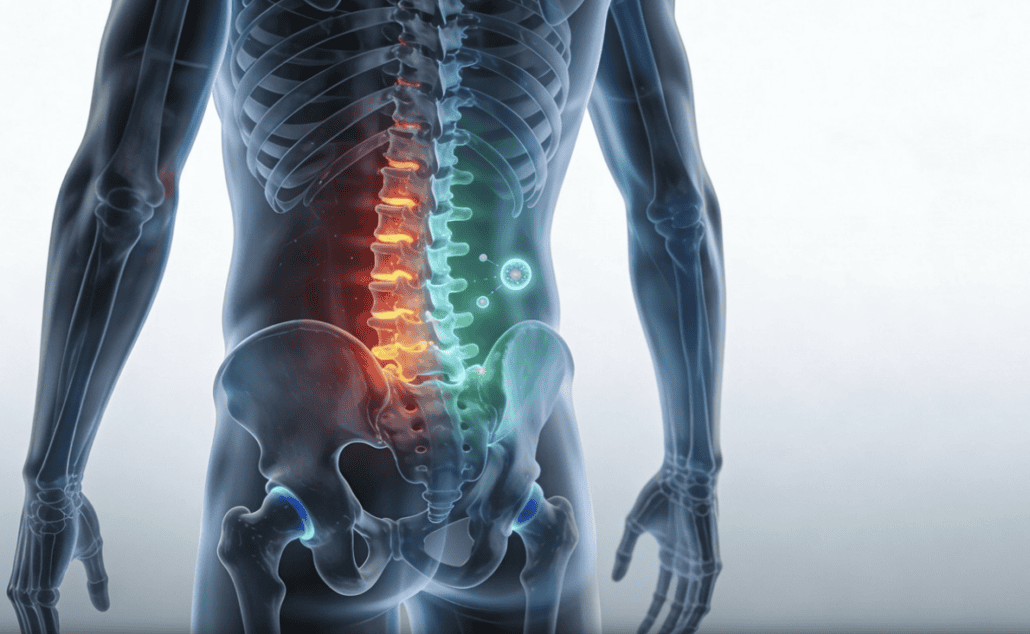
Lumbar spinal stenosis affects over 200,000 Americans annually, with rates skyrocketing in those over 65. This narrowing of the spinal canal compresses nerves, causing debilitating lower back pain, leg pain (neurogenic claudication), tingling, numbness in the feet, and often reliance on walkers or canes. Many patients exhaust traditional options: physical therapy, acupuncture, massage, steroid injections, or even minimally invasive procedures like MILD only to face worsening symptoms or surgery risks.
Stem cell therapy is emerging as a game-changing regenerative option. Using mesenchymal stem cells (MSCs) from bone marrow, adipose tissue, or donated umbilical cord sources often combined with exosomes and PRP treatments target inflammation, support disc and nerve repair, and modulate the immune response. Unlike steroids that can further degrade joints, stem cells promote healing at the cellular level.
The Science Behind Regenerative Relief for Stenosis
Spinal stenosis often stems from degenerative disc disease, facet arthritis, and ligament thickening. MSCs excel here: they secrete anti-inflammatory factors, growth factors (like VEGF and BDNF), and exosomes that cross into tissues to reduce nerve irritation and encourage regeneration.
Published research is compelling:
- A Phase I trial using umbilical cord-derived MSCs (intravenous and targeted epidural/facet injections) reported 67–74% of patients achieving clinically meaningful pain relief at 1–12 months, with no serious adverse events.
- Meta-analyses of MSC therapy for degenerative disc disease (a key driver of stenosis) show significant drops in VAS pain scores and Oswestry Disability Index (ODI) at 3, 6, and 12+ months.
- In elderly patients, regenerative approaches like MSCs have demonstrated safety and functional gains, even in advanced cases, with some studies noting improved walking distance and reduced claudication.
Clinical trials for lumbar canal stenosis (e.g., using allogenic BM-MSCs with gel scaffolds) are ongoing, but early data highlights reduced pain, better mobility, and slowed progression, outcomes traditional care rarely matches.
Real Patient Outcome: A 96-Year-Old’s Remarkable Turnaround
A vibrant and active 96-year-old, had battled progressively worsening spinal stenosis for years. Lower back and leg pain, plus tingling and numbness in his feet, forced him to use a walker. He tried it all: physical therapy, acupuncture, massage, the MILD procedure, and multiple steroid injections, none delivered lasting relief.
Encouraged by his Mayo Clinic provider who called stem cell therapy “the future of medical care”, The connected with Dr. Lann and our team. He was immediately impressed by the sincere, knowledgeable, and patient-centered approach.
The patient received a personalized protocol: targeted injections of allogeneic stem cells (including umbilical cord-derived MSCs and exosomes) as well as platelet rich plasma into key areas.
Improvements started in just one week: significantly less pain in his back and legs, plus restored sensation in his feet. He reported feeling “extremely fortunate and blessed,” with renewed confidence in daily movement. At his age, this rapid response highlights stem cell therapy’s potential even in advanced, treatment-resistant cases.
Our patients often maintain these gains with follow-up care, reclaiming independence and quality of life.
What to Expect: Timelines, Benefits, and Safety
Many notice early changes within 1–4 weeks (reduced pain, better nerve function), with peak benefits building over 3–6 months as regeneration occurs. Common improvements include:
- Decreased back and radiating leg pain
- Reduced numbness/tingling and improved foot sensation
- Greater walking distance and less reliance on assistive devices
- Enhanced sleep, energy, and overall vitality
Safety is excellent in properly screened patients. Trials consistently report minimal side effects (mild soreness or fatigue), with no serious complications linked to the cells themselves. This minimally invasive approach avoids the risks of major surgery, making it ideal for seniors.
A Future of Active Living
For those living with lumbar spinal stenosis, stem cell therapy offers more than symptom management, it’s a pathway to true regeneration and renewed hope. Stories like this remind us that age is not a barrier to improvement when innovative, evidence-based care is involved.
If chronic back or leg pain from stenosis is limiting your life, a comprehensive evaluation can reveal if regenerative therapy is right for you. Our team, led by experts like Dr. Lann, is dedicated to personalized plans that prioritize your goals and comfort.
Ready to explore a brighter, more mobile future? Contact Cendant Stem Cell Center today for a consultation. Regenerative medicine is here, and it’s changing lives, one patient at a time.


