

The types of regenerative medicine treatments can be difficult to compare because terms such as PRP therapy, stem cell therapy, exosome therapy, orthobiologics, and extracellular matrix treatments are often discussed together. They are not the same thing.
Some treatments use components taken from a patient’s own blood. Others involve cells, cell-derived materials, or biological scaffolds. Their intended functions, preparation methods, evidence, potential risks, and regulatory status can differ substantially.
Understanding those differences matters before considering any regenerative procedure. A treatment should not be judged simply because it is described as “regenerative.” The exact product, the condition being treated, the available evidence, and the patient’s individual medical situation all need to be considered.
Readers who want a broader introduction can first review our regenerative medicine and stem cell therapy guide for background on how regenerative approaches are discussed in medicine.
This article looks more closely at PRP, cell-based therapies, exosome products, and extracellular matrix materials so patients can better understand what each category actually represents.
What Regenerative Medicine Actually Means
Regenerative medicine is a broad field concerned with approaches intended to repair, replace, support, or restore damaged cells, tissues, or biological functions.
The definition is broad for a reason. Regenerative medicine can involve blood-derived products, cells, tissues, biological signaling materials, engineered scaffolds, and other approaches being used or studied in different medical settings.
Why Regenerative Medicine Is an Umbrella Term
“Regenerative medicine” describes a field rather than one specific procedure.
Two treatments may both be marketed or discussed as regenerative while containing completely different biological materials. PRP, for example, is prepared from blood. A cell-based product involves cells. Exosomes are extracellular vesicles rather than cells. Extracellular matrix materials primarily provide structural and biochemical components associated with tissues.
Putting all of them into one category can be useful when discussing the field broadly, but it is not enough for evaluating an individual treatment.
The Treatment Name Does Not Establish Effectiveness
Calling something regenerative does not prove that it can regenerate damaged cartilage, restore a nerve, rebuild a tendon, or reverse a disease.
Those are specific clinical claims that require supporting evidence.
A biological mechanism may provide a reason to study a treatment, but a proposed mechanism and a demonstrated patient outcome are not the same thing.
The Exact Product Matters
Before evaluating any therapy, patients should know what is actually being administered.
The source of the material, how it was collected, how it was processed, whether it contains living cells, how it is delivered, and what condition it is intended to address can all change the clinical and regulatory questions involved.
That is why broad terms should be the beginning of the conversation, not the end of it.
The Main Types of Regenerative Medicine Treatments
Four categories appear frequently in patient discussions about regenerative medicine: PRP, stem cell or cell-based therapies, exosome products, and extracellular matrix materials.
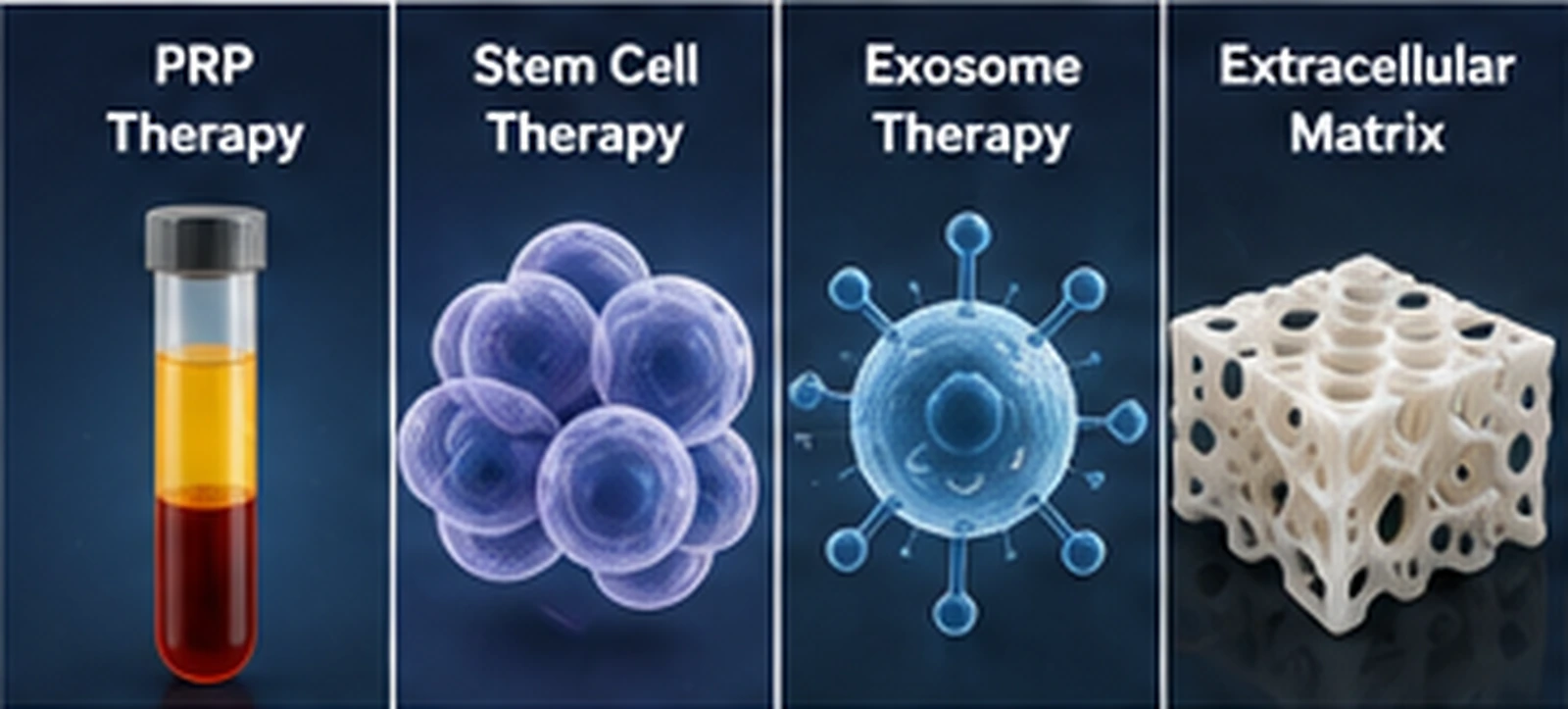
They share some biological themes, but their differences are significant.
| Treatment Category | What It Generally Contains | Main Concept | Important Difference |
|---|---|---|---|
| PRP therapy | Concentrated components from the patient’s blood | Uses platelets and platelet-associated signaling factors | PRP is a blood product, not a stem cell product |
| Stem cell or cell-based therapy | Cells from a specific biological source | Uses living cells or cellular preparations | Products can differ greatly by cell source and processing |
| Exosome products | Extracellular vesicles released by cells | Focuses on biological signaling between cells | Exosomes are not living stem cells |
| Extracellular matrix products | Structural biological materials associated with tissues | Provides a scaffold and biological environment | ECM is primarily a structural and biochemical matrix |
PRP Therapy
Platelet-rich plasma is prepared from blood collected from the patient. The blood is processed to isolate a plasma fraction containing a higher concentration of platelets.
PRP is commonly discussed in musculoskeletal medicine because platelets contain proteins and signaling factors involved in normal responses to tissue injury.
Stem Cell and Cell-Based Therapies
Stem cell therapy is a broad label. Cell-based products can differ according to the type of cells, where they came from, how they were processed, and their intended use.
Those differences are clinically important. One cell product should not automatically be treated as equivalent to another.
Exosome Therapy
Exosomes are small extracellular vesicles involved in communication between cells. They can transport proteins, lipids, nucleic acids, and other biological signals.
Exosomes have become an active area of laboratory and clinical research, but they should not be described as stem cells.
Extracellular Matrix Materials
The extracellular matrix, commonly called ECM, forms part of the structural environment surrounding cells within tissues.
ECM-based products may be used or studied as biological scaffolds designed to provide structural or biochemical support within a treatment area.
The distinctions become easier to understand when each category is examined separately.
How PRP Therapy Uses Components From Your Own Blood
PRP is different from many therapies placed under the regenerative medicine label because it begins with the patient’s own blood.
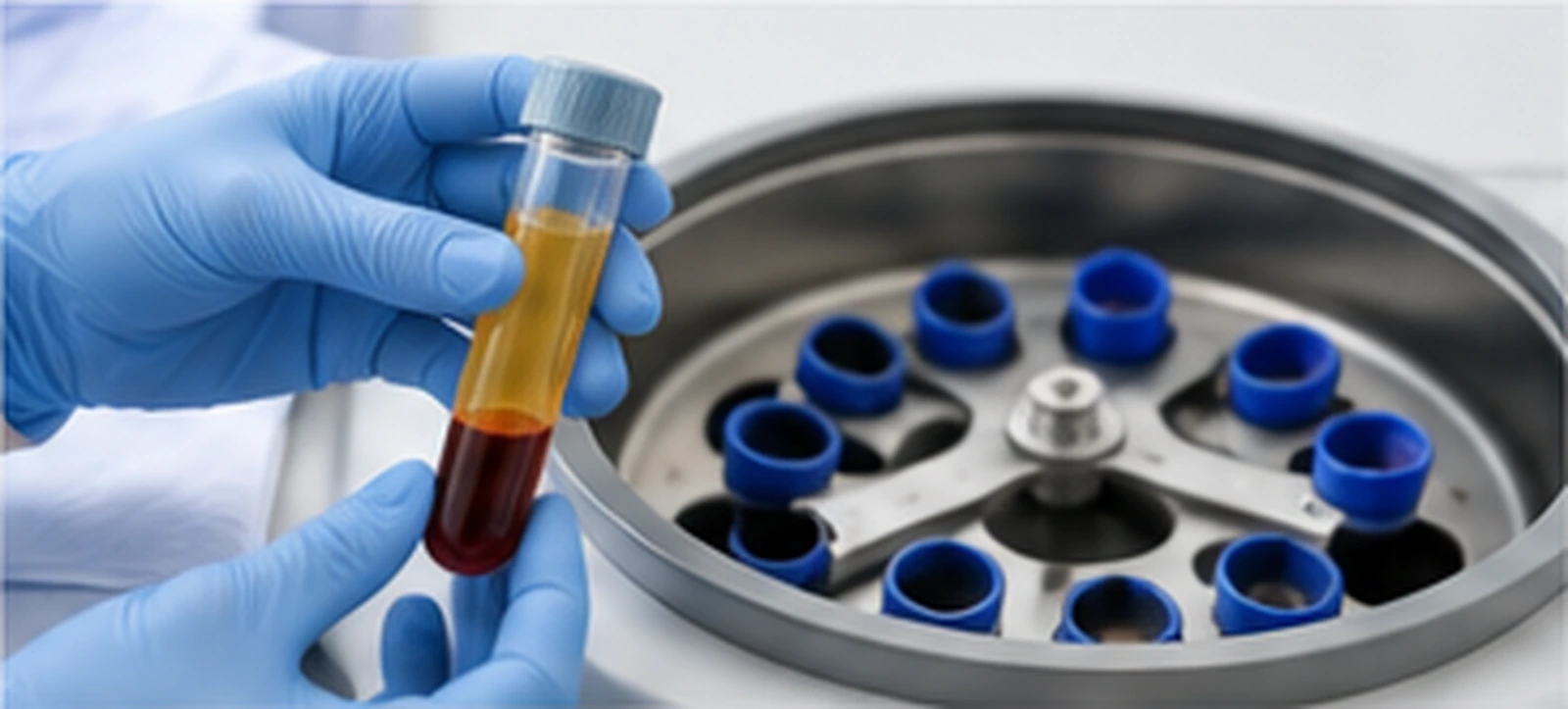
A blood sample is collected and processed, commonly through centrifugation, to separate different components. A platelet-rich portion is then prepared for use.
What Platelets Contribute
Platelets are widely recognized for their role in blood clotting, but they also contain biological signaling proteins involved in the body’s normal response to injury.
The rationale behind PRP is to place a concentrated platelet preparation near a targeted area.
That does not mean PRP automatically regenerates damaged tissue. What happens clinically depends on the condition, the tissue involved, the preparation, and other patient-specific factors.
Where PRP Is Discussed
PRP is commonly discussed within orthopedic care for certain musculoskeletal conditions.
One example is osteoarthritis. The American Academy of Orthopaedic Surgeons states that PRP may reduce pain and improve function in some patients with symptomatic knee osteoarthritis, but the recommendation is classified as limited.
That distinction matters. Evidence for one condition does not mean PRP should be expected to provide the same benefit for every joint, tendon, ligament, or injury.
Readers dealing specifically with degenerative joint disease can review our information about osteoarthritis and joint arthritis.
PRP Is Not Stem Cell Therapy
PRP and stem cell therapy are sometimes placed together in discussions about orthobiologics, but they involve different biological materials.
The FDA describes PRP made from blood taken from an individual and returned to that same individual as a blood product rather than a human cell, tissue, or cellular and tissue-based product.
That regulatory distinction is another reason patients should ask what treatment they are actually receiving instead of relying on a broad category name.
PRP Evidence Is Condition-Specific
A study involving PRP for knee osteoarthritis cannot automatically establish its effectiveness for a meniscus tear, shoulder injury, ligament problem, back condition, or another diagnosis.
Someone evaluating regenerative options for chronic joint discomfort may also find our discussion of stem cell therapy for joint pain useful for understanding how different biological approaches are discussed in orthopedic medicine.
What Stem Cell and Cell-Based Therapies Involve
The phrase “stem cell therapy” often sounds like it describes one standardized treatment. It does not.
Cell-based therapies can involve different types of cells collected from different biological sources and prepared in different ways.

For additional background, our stem cell and regenerative medicine guide explains common terminology used when discussing these treatments.
Cell Source Matters
Cells discussed in regenerative medicine may come from different tissues or biological sources depending on the product and procedure.
The characteristics of those cells may differ. Their preparation, processing, concentration, intended function, and method of administration may also differ.
Two clinics could therefore use the phrase “stem cell treatment” while referring to products that are not biologically equivalent.
Processing Can Change the Regulatory Question
How cells or tissues are processed and how they are intended to function after administration can affect how a product is regulated.
Terms such as minimally manipulated and homologous use have specific meanings within FDA regulations. They should not be interpreted casually from marketing language.
Patients do not need to become regulatory experts, but they should be able to ask the provider to identify the exact product and explain its status clearly.
FDA-Approved Stem Cell Uses Are Limited
FDA states that the stem cell products currently approved in the United States consist of blood-forming hematopoietic progenitor cells derived from umbilical cord blood.
Those approved products are used for specific disorders affecting the body’s blood-forming system.
The existence of approved blood-forming stem cell products does not mean that every product marketed as stem cell therapy is FDA approved.
FDA has specifically cautioned consumers about unapproved regenerative medicine products promoted for orthopedic, neurological, pulmonary, cardiovascular, and other conditions.
Evidence Must Match the Condition and Product
Suppose a particular cell preparation is being researched for one medical condition. That evidence cannot automatically be transferred to a different cell source or another disease.
The question should always be specific: What exact product is being used, for what exact diagnosis, and what evidence supports that combination?
That level of specificity becomes even more important when evaluating treatments outside established indications.
How Exosome Therapy Differs From Stem Cell Therapy
Exosomes have received significant attention because they participate in communication between cells.
A cell can release exosomes containing biological material that may influence nearby or distant cells. Researchers are studying these signaling processes in many areas of medicine.
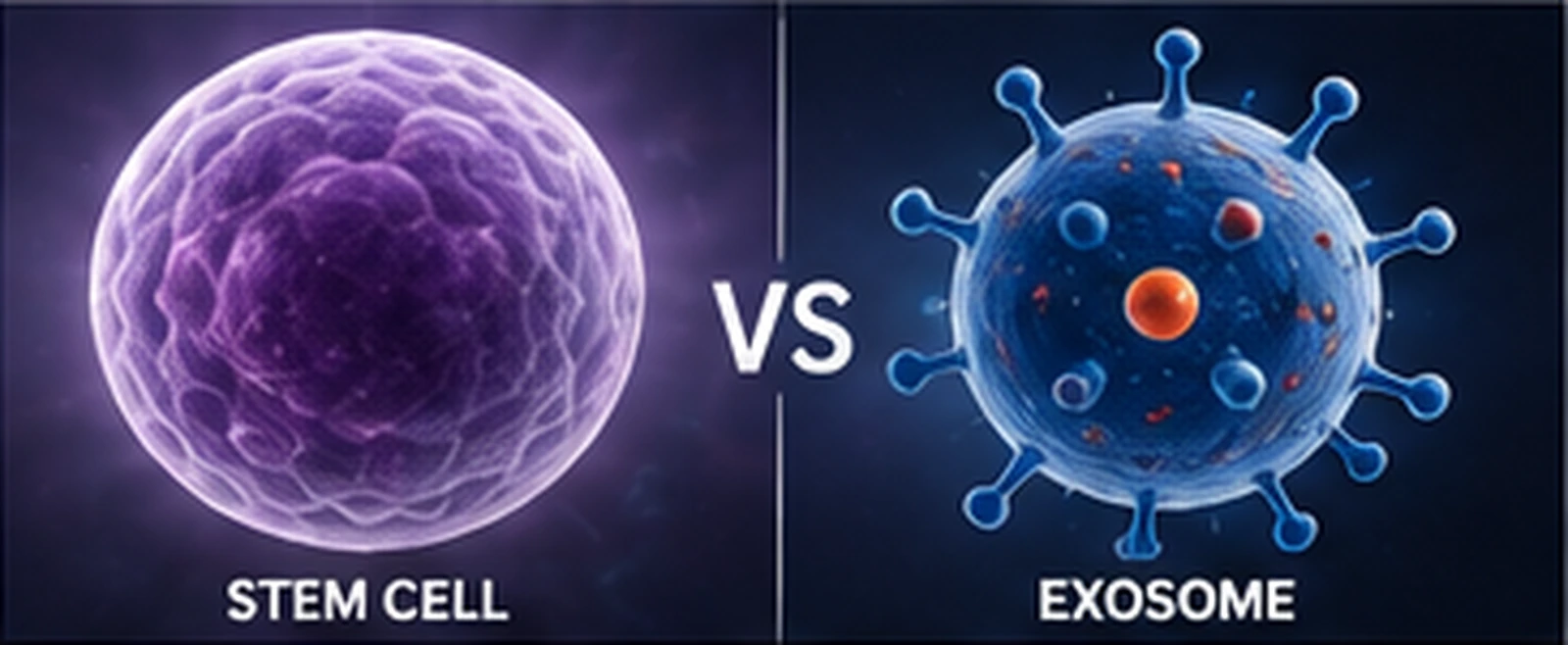
What Exosomes Actually Are
Exosomes are tiny membrane-bound extracellular vesicles.
They can contain proteins, lipids, RNA, and other molecules. Their biological contents vary depending on the cells that produced them and the conditions under which those cells were functioning.
Because exosomes carry biological signals, researchers are studying their possible roles in inflammation, tissue responses, cellular communication, and disease.
Exosomes Are Not Living Cells
A stem cell is a living cell with specific biological characteristics.
An exosome is not a cell. It cannot simply be described as a smaller version of a stem cell or as a stem cell without the cell.
That difference matters when assessing how a product is expected to function.
Current FDA Status of Exosome Products
FDA states that there are currently no FDA-approved exosome products.
The agency has also issued public safety notifications after reports of serious adverse events associated with unapproved products marketed as containing exosomes.
Patients considering anything promoted as exosome therapy should therefore ask exactly what the product contains and what regulatory pathway applies to its intended use.
Research Interest Is Not the Same as Clinical Approval
Scientific interest in exosomes is substantial, but research activity alone does not establish that a commercially offered treatment is safe or effective for a particular disease.
Laboratory research, early clinical investigation, FDA-authorized clinical trials, and an FDA-approved treatment represent different stages of evidence and regulatory review.
Those distinctions should remain clear when evaluating claims about exosome therapy.
What Extracellular Matrix Treatments Are Intended to Do
The extracellular matrix is the non-cellular material surrounding cells within tissues.
It contains structural and biochemical components that help provide tissues with organization, support, and signals that influence cellular behavior.
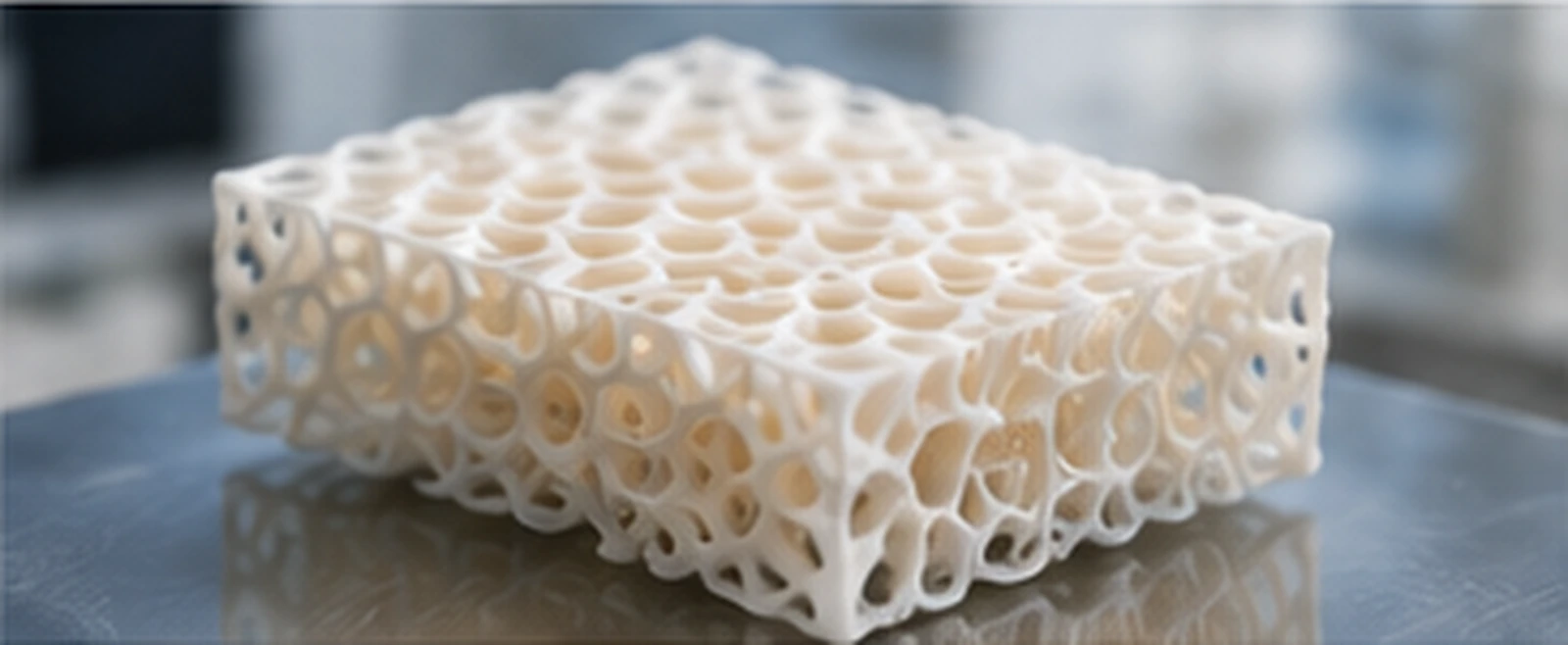
Understanding the Scaffold Concept
A useful way to think about extracellular matrix is as part of the framework in which cells live.
Cells do not function in isolation. Their surrounding environment can influence how they attach, move, communicate, and organize.
ECM-based approaches attempt to use aspects of that structural environment in tissue repair or regenerative applications.
ECM Is Different From Cells and Exosomes
An extracellular matrix product is not another name for stem cell therapy.
It also is not the same as exosome therapy.
Cells are living biological units. Exosomes are signaling vesicles released by cells. ECM primarily refers to the structural and biochemical material surrounding cells.
These materials can interact biologically, but they represent different treatment concepts.
Extracellular Matrix Products Can Differ Considerably
ECM materials can be produced from different tissue sources and processed in different ways.
The source tissue, decellularization method, sterilization process, remaining biological components, physical form, and intended clinical use can all affect the final product.
For that reason, evidence for one ECM product should not automatically be applied to every material marketed using the extracellular matrix label.
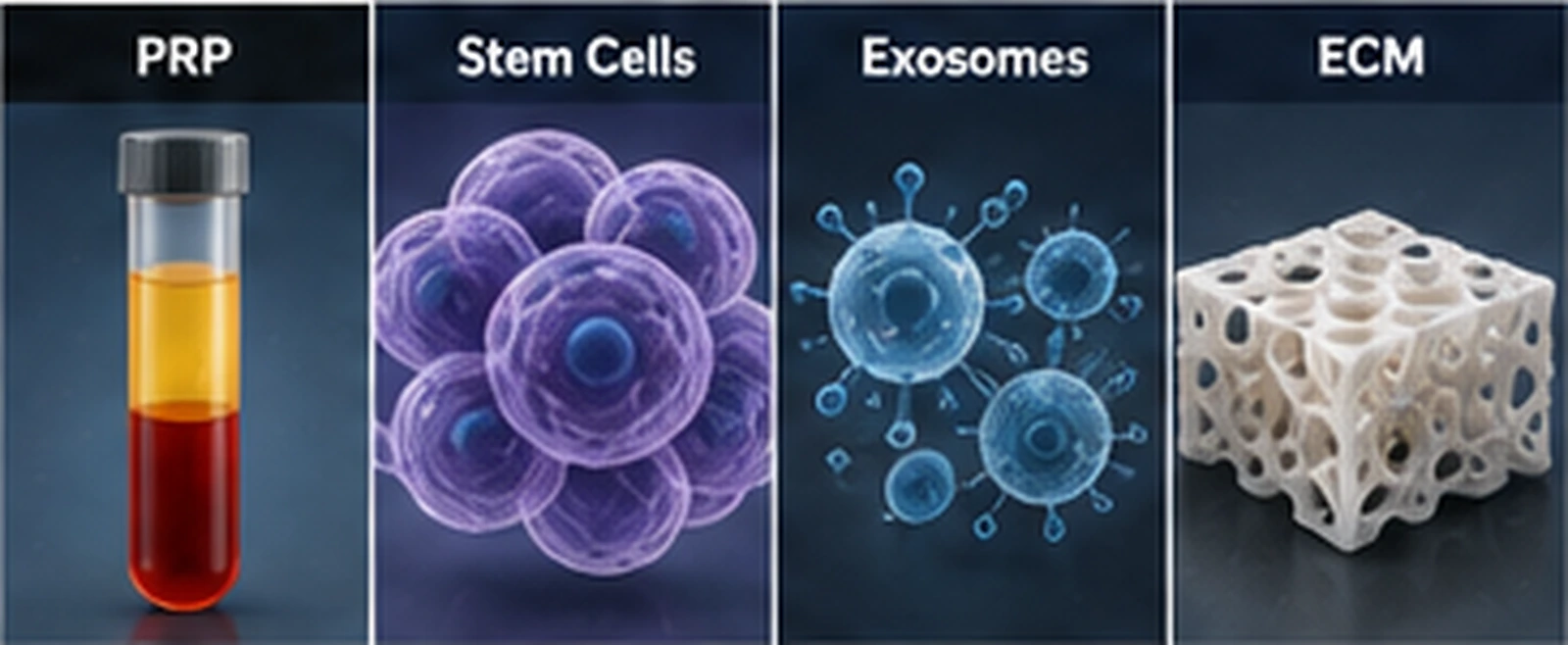
PRP vs Stem Cells vs Exosomes vs Extracellular Matrix
Comparing regenerative therapies becomes easier when the comparison focuses on what the treatment actually contains.
PRP contains blood-derived components. Cell-based therapies involve cells. Exosome products involve extracellular vesicles. ECM products primarily involve tissue-associated structural materials.
Their Biological Roles Are Different
PRP is intended to provide concentrated platelet-associated biological factors.
Cell therapies involve living cells or cellular preparations.
Exosome approaches focus on biological signals carried within extracellular vesicles.
Extracellular matrix materials focus more heavily on the structural and biochemical environment surrounding cells.
Those roles can overlap in biological research, but the therapies themselves should not be treated as interchangeable.
Their Evidence Bases Are Also Different
Evidence supporting one category cannot simply be transferred to another.
If research suggests that PRP may help some patients with a particular orthopedic condition, that does not establish that exosomes, stem cells, or ECM products will produce the same result.
Likewise, evidence concerning one cell type does not automatically validate another cell product.
Their Regulatory Status Can Differ
Regulatory status depends on the exact product and its intended use.
A treatment may involve an FDA-approved product, an FDA-cleared medical device, a product regulated under a specific human tissue framework, or an investigational product being studied under FDA oversight.
The words “regenerative” and “natural” do not answer that question.
Patients should ask for the regulatory status of the exact product being proposed.
Where Regenerative Therapies Are Discussed in Medicine
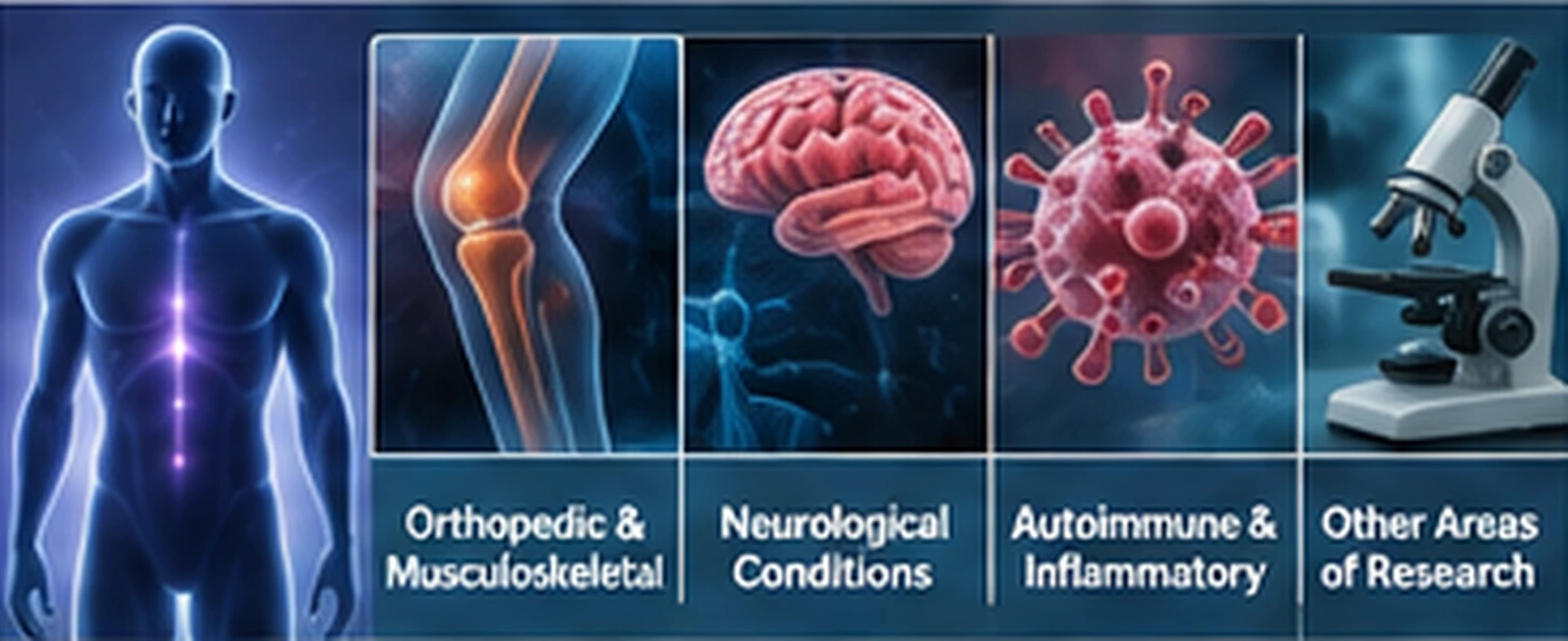
Regenerative medicine research and clinical discussions extend across many medical specialties. Evidence, approval status, and appropriate use still need to be evaluated separately for every condition and treatment.
Orthopedic and Musculoskeletal Conditions
Regenerative approaches are frequently discussed in relation to joint degeneration, cartilage problems, tendon injuries, ligament injuries, and sports-related conditions.
For example, patients with sports injuries may hear about PRP or other biologic approaches while reviewing treatment choices.
An injury does not become appropriate for regenerative treatment simply because it involves musculoskeletal tissue. The exact diagnosis and available evidence remain important.
Neurological Conditions
Stem cells and other regenerative technologies are also actively researched in neurological medicine.
Cendant provides information about neurological conditions for patients exploring this area.
FDA has cautioned that unapproved regenerative products should not be marketed as established treatments for neurological disorders simply because stem cell or exosome research is being conducted.
Clinical research and routine approved treatment are different things.
Autoimmune and Inflammatory Conditions
Regenerative therapies may also appear in discussions involving chronic inflammatory and autoimmune diseases.
Patients researching these topics can review Cendant’s educational information about autoimmune conditions.
The presence of an inflammatory component does not establish that a regenerative treatment is appropriate. Disease-specific evidence and conventional standards of care still matter.
Research Beyond These Categories
Regenerative medicine research also extends into wound healing, cardiovascular medicine, tissue engineering, organ repair, ophthalmology, and other areas.
The field is broad, which makes precise language especially important.
A promising research finding should be described as research unless and until sufficient clinical evidence and regulatory review support broader medical use.
How Doctors Evaluate Whether a Regenerative Treatment Makes Sense
The most important part of choosing a treatment usually happens before the treatment itself is selected.
A clinician first needs to understand what is causing the patient’s symptoms.

Start With the Diagnosis
Imagine two patients who both report persistent knee pain.
One has degenerative cartilage changes associated with osteoarthritis. The other has a mechanical problem caused by a torn meniscus.
The symptom sounds similar, but the underlying conditions are different.
Cendant’s information about meniscus tears provides an example of how a structural knee injury differs from general degenerative joint disease.
Without a clear diagnosis, comparing PRP, stem cells, surgery, rehabilitation, medication, or other options becomes difficult.
Consider the Severity and Stage of the Condition
Treatment decisions can change depending on whether a condition is mild, moderate, advanced, acute, or chronic.
Imaging findings, physical examination, functional limitations, previous treatments, age, activity level, medical history, and patient goals may all influence the discussion.
A therapy that may be reasonable to discuss at one stage of a condition may make less sense at another stage.
Compare Regenerative Options With Established Alternatives
A useful consultation should not discuss regenerative treatment in isolation.
Depending on the condition, reasonable alternatives might include physical therapy, exercise modification, medication, injections, rehabilitation, bracing, lifestyle changes, surgery, or continued monitoring.
Patients need enough information to compare the potential benefits, risks, limitations, and evidence for each reasonable path.
Set a Realistic Treatment Goal
“Regeneration” can mean different things in marketing language, research, and clinical practice.
A patient’s actual goal may be to reduce pain, improve mobility, return to an activity, delay surgery, support healing, or improve daily function.
Those goals should be distinguished from claims that tissue will completely regrow or that a disease will be reversed.
Clear goals make it easier to evaluate whether a treatment has actually helped.
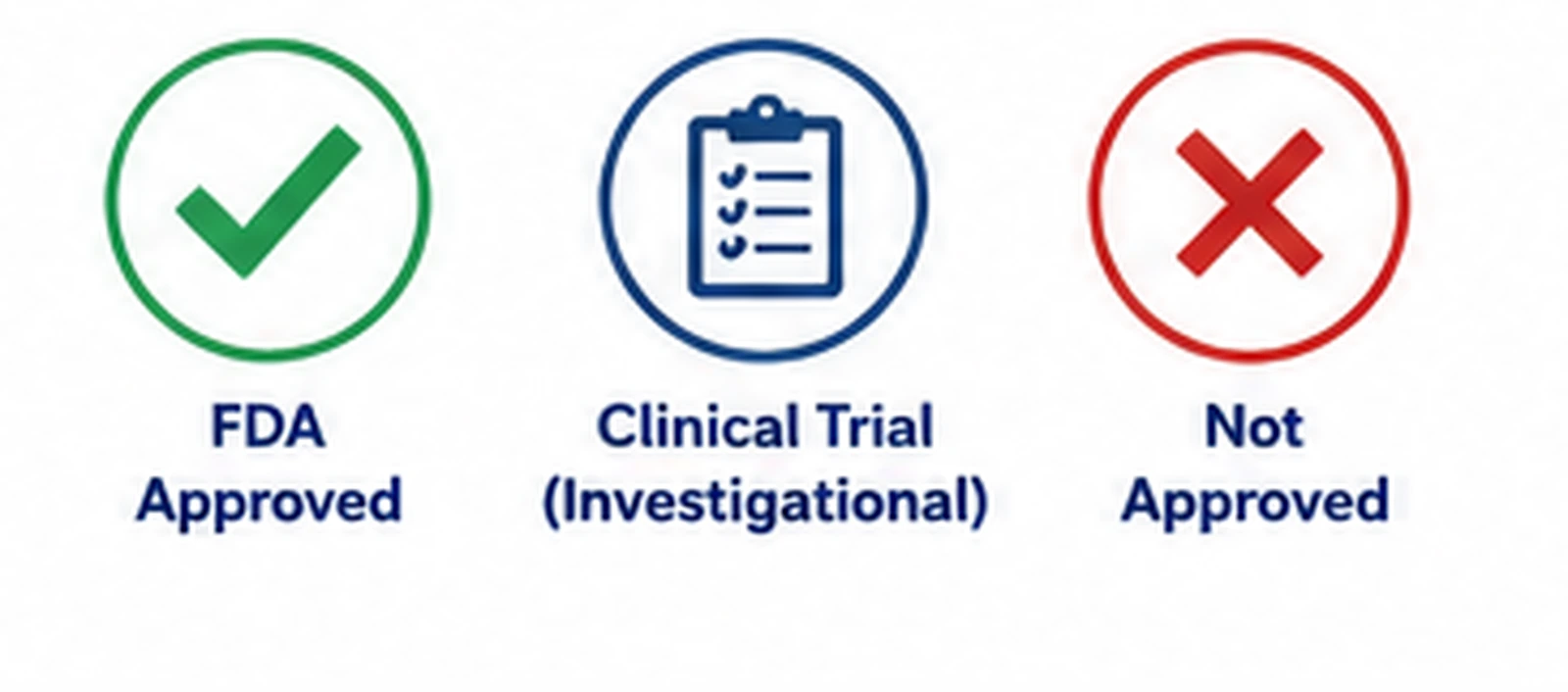
FDA Approval, Clinical Trials, and Investigational Treatments Are Different
Regenerative medicine discussions frequently involve FDA terminology. Misunderstanding those terms can make a treatment appear more established than it really is.
What FDA Approval Means
FDA approval generally means the agency has reviewed an applicable product for its proposed use under the relevant regulatory pathway and determined that statutory requirements for approval have been met.
Approval is product-specific and indication-specific.
The fact that one stem cell product has received FDA approval does not mean all stem cell products are approved.
What Investigational Means
An investigational treatment is still being studied.
Certain investigational drugs and biological products can be evaluated in clinical studies under an Investigational New Drug application, commonly called an IND.
Participation in a properly authorized clinical investigation is different from purchasing an unapproved treatment that is marketed as if its effectiveness were already established.
A ClinicalTrials.gov Listing Does Not Equal FDA Approval
A study appearing on ClinicalTrials.gov does not mean the treatment has been approved by FDA.
FDA specifically warns consumers not to treat study registration as proof of approval or legitimacy.
When a provider says a treatment is part of a clinical trial, patients can ask for details about the study, oversight, consent process, investigator, and regulatory authorization.
PRP Requires a Different Regulatory Discussion
PRP illustrates why broad statements about FDA status can be misleading.
FDA identifies PRP returned to the same patient as a blood product rather than an HCT/P.
Devices used to prepare PRP may also have specific FDA clearances or intended uses.
Patients should therefore ask about both the product and the preparation system rather than relying on a simple statement that something is “FDA registered” or “FDA compliant.”
Questions to Ask Before Choosing a Regenerative Treatment
The best questions move the conversation away from broad marketing terms and toward specific medical information.
- What is my exact diagnosis?
Ask what condition or damaged structure is believed to be causing your symptoms and how that diagnosis was established. - What exactly will be administered?
Ask for the specific product or preparation, its biological source, and whether it contains blood components, cells, exosomes, extracellular matrix material, or something else. - What evidence supports this treatment for my diagnosis?
Research involving another condition, another tissue, or another biological product may not apply. - What is the regulatory status of this specific treatment?
Ask whether FDA approval is required, whether the product is approved for the proposed use, or whether it is investigational. - What alternatives should I compare with it?
A balanced medical discussion should include reasonable conventional and non-regenerative treatment options. - What risks are known?
Ask about risks related to collection, processing, injection or administration, infection, inflammatory reactions, procedure complications, and the product itself. - What remains uncertain?
Good medical decision-making includes uncertainty. Limited evidence should be described as limited evidence. - What result are we actually trying to achieve?
Pain reduction, improved function, tissue healing, and complete tissue regeneration are different outcomes. - How will the result be measured?
Discuss what symptoms, functional measures, imaging findings, or other outcomes will be used to assess progress. - What happens if the treatment does not help?
Understanding the next step before treatment can prevent unrealistic expectations.
Clear answers are more useful than broad statements about healing or regeneration.
Making an Informed Decision About Regenerative Medicine
Regenerative medicine is not one treatment. PRP, stem cell and cell-based therapies, exosome products, and extracellular matrix materials involve different biological components and raise different clinical questions.
Understanding those differences makes it easier to evaluate claims and discuss treatment choices with a qualified medical professional.
Start With the Condition, Not the Treatment Name
A patient should not need to decide between PRP, stem cells, exosomes, or another regenerative option before understanding the diagnosis.
Begin with the medical problem.
Once the diagnosis is clear, treatment options can be compared according to the evidence available for that specific condition.
Compare Evidence Instead of Marketing Claims
Words such as “natural,” “regenerative,” “biological,” or “cell-derived” do not establish effectiveness.
Ask what evidence supports the exact product being offered.
Also pay attention to the difference between early research, clinical trials, professional guideline recommendations, and established medical use.
FDA continues to warn consumers about unapproved products made from human cells or tissues when those products are marketed for treating diseases without the required regulatory review.
Ask What Is Known and What Is Still Uncertain
Medicine rarely provides identical outcomes for every patient.
A trustworthy discussion should explain where evidence is stronger, where evidence remains limited, what risks are known, and what questions researchers are still trying to answer.
Statements promising guaranteed tissue regeneration, disease reversal, or universal results should be treated cautiously.
Planning Your Next Step
Someone considering regenerative medicine should start with an evaluation of the underlying condition and a discussion of all reasonable treatment options.
At Cendant Stem Cell Center, patients can request a consultation to discuss their condition, previous treatment history, current symptoms, and questions about regenerative medicine.
The purpose of that conversation should be to determine what options are reasonable to consider, not to assume that every patient needs the same procedure.
Medical information notice: This article provides general educational information. It is not a diagnosis, treatment recommendation, or substitute for individualized medical advice from a qualified healthcare professional.
Medical References Reviewed
The medical and regulatory statements in this article were reviewed against current public guidance from the U.S. Food and Drug Administration (FDA) regarding regenerative medicine products, stem cell products, exosome products, and human cell and tissue products, along with the American Academy of Orthopaedic Surgeons (AAOS) clinical practice guidance concerning platelet-rich plasma for symptomatic knee osteoarthritis.