
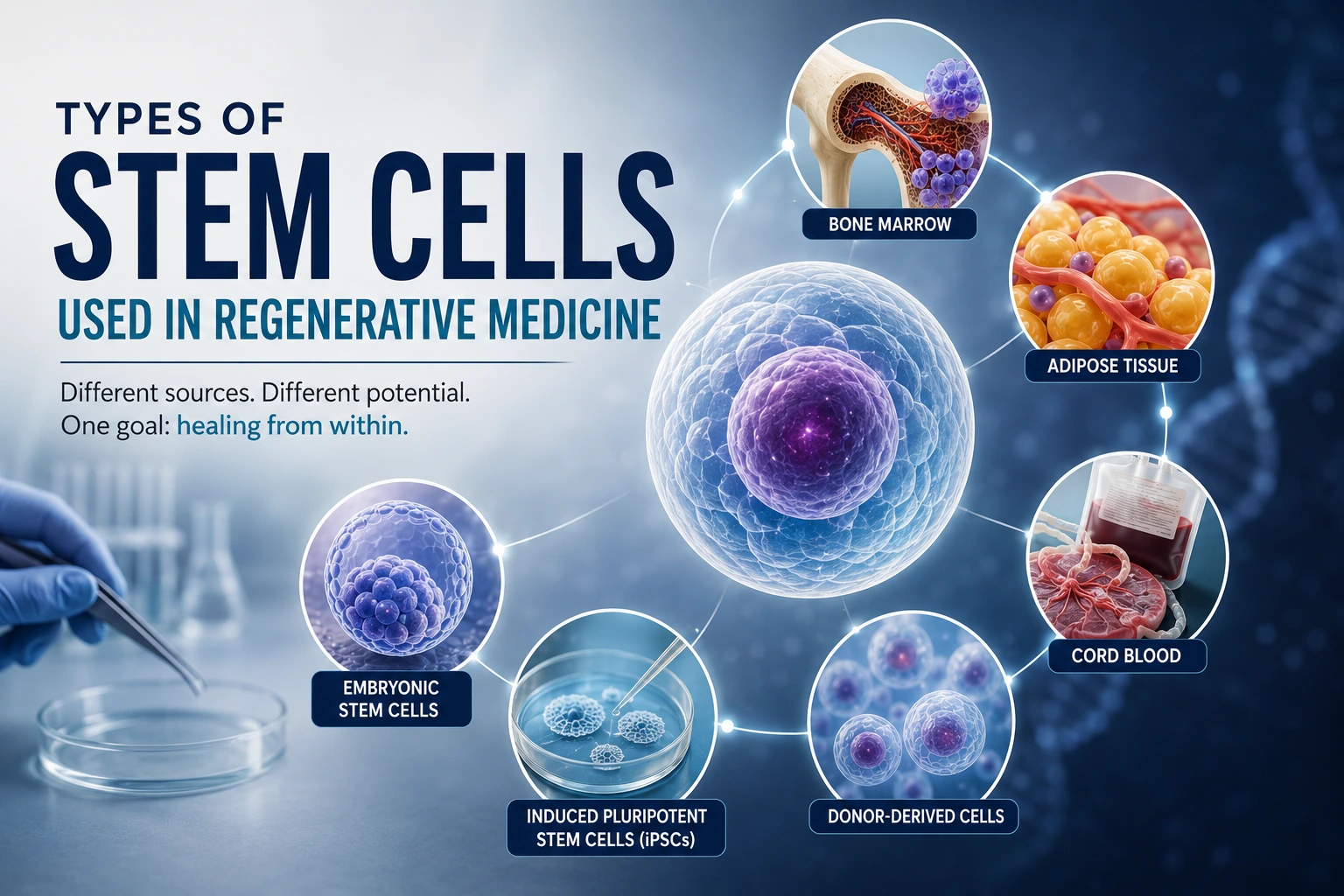
The types of stem cells used in regenerative medicine are not interchangeable. Stem cells can differ by where they come from, what types of cells they can become, whether they come from the patient or a donor, how they are processed, and how much clinical evidence supports a particular use. Understanding those differences is essential when evaluating any stem cell or regenerative medicine treatment.
For readers who want a broader foundation before comparing cell sources, this regenerative medicine and stem cell therapy guide explains treatment fundamentals and the questions that often affect patient candidacy.
Why the Source of a Stem Cell Matters
When people hear the term “stem cell therapy,” it can sound as if stem cells are a single type of medical material. They are not.
A cell obtained from bone marrow may have very different biological characteristics from a cell population obtained from adipose tissue. Cord blood contains important blood-forming stem and progenitor cells, while induced pluripotent stem cells are created in laboratories by reprogramming mature cells.
The source can influence:
- The types of cells present
- Their developmental potential
- How the cells are collected
- Whether they come from the patient or a donor
- How much processing occurs before use
- Immune compatibility
- The evidence available for a particular medical application
- The regulatory requirements for the resulting cell product
That is why asking only, “Are stem cells being used?” does not provide enough information. A more useful question is, “What exact cells are being used, where did they come from, and what evidence supports their use for this condition?”
The Main Biological Categories of Stem Cells
Scientists generally distinguish stem cells partly by their developmental potential, meaning the range of specialized cells they can produce.
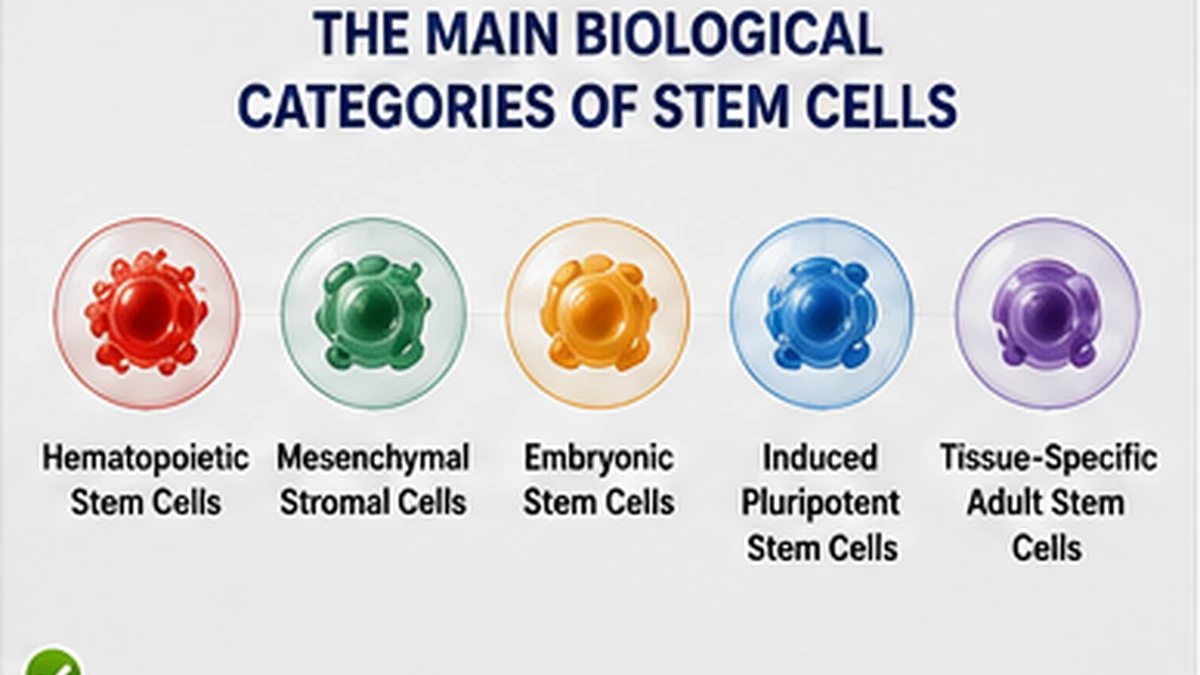
The National Institutes of Health describes two broad groups that are especially important for understanding stem cell biology: pluripotent stem cells, including embryonic stem cells and induced pluripotent stem cells, and nonembryonic or somatic stem cells found in tissues of the body.
| Stem Cell Category | Typical Origin | General Characteristic | Common Role Today |
|---|---|---|---|
| Hematopoietic stem and progenitor cells | Bone marrow, peripheral blood, cord blood | Produce blood and immune cells | Established transplantation and certain approved cell or gene therapies |
| Mesenchymal stromal cells | Bone marrow, adipose tissue, birth-associated tissues and other sources | Multipotent stromal populations studied for tissue repair and immune signaling | Active research and clinical investigation |
| Embryonic stem cells | Early-stage embryos | Pluripotent | Research and development of specialized cell therapies |
| Induced pluripotent stem cells | Reprogrammed mature cells | Pluripotent | Disease modeling, drug research and development of cell-based therapies |
| Tissue-specific adult stem cells | Various organs and tissues | Usually produce a narrower range of cells related to their tissue | Normal tissue maintenance, research and selected medical applications |
The differences become clearer when each source is examined separately.
Bone Marrow Contains More Than One Important Cell Population
Bone marrow is one of the most familiar stem cell sources, but the phrase “bone marrow stem cells” can still be too broad.
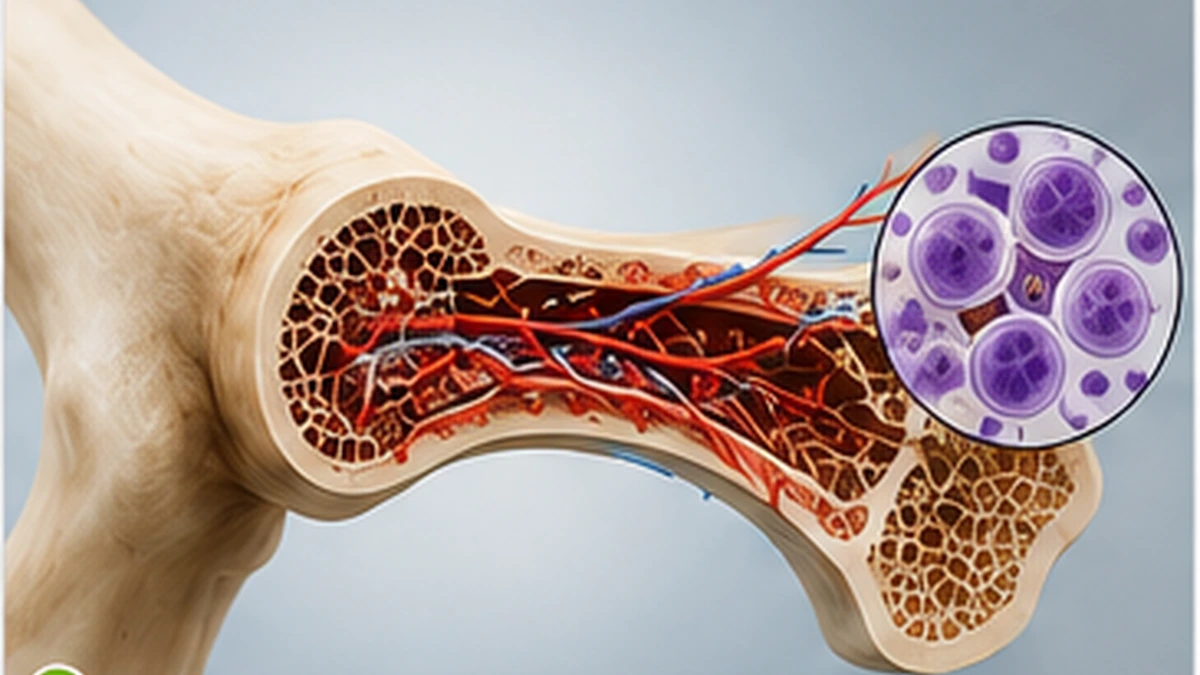
Bone marrow contains several cell populations, including hematopoietic stem and progenitor cells and stromal populations that may include mesenchymal stromal cells.
Hematopoietic Stem and Progenitor Cells
Hematopoietic stem cells, often shortened to HSCs, generate the different types of blood cells needed by the body.
Their clinical history is very different from many treatments marketed under the broad regenerative medicine label. Hematopoietic stem cell transplantation has established medical uses, particularly in diseases affecting blood and immune-cell production.
Modern cell and gene therapies may also use a patient’s hematopoietic stem or progenitor cells as the starting material. FDA’s current licensed cellular and gene therapy listings include products based on these cell populations for specific indications.
Mesenchymal Stromal Cells in Bone Marrow
Bone marrow also contains populations commonly referred to as mesenchymal stem cells or mesenchymal stromal cells, abbreviated MSCs.
Terminology matters here. The International Society for Cell & Gene Therapy has recommended using “mesenchymal stromal cells” unless rigorous evidence demonstrates that a particular population possesses true stem-cell properties. The organization also recommends identifying the tissue source because MSC populations from different tissues can have different properties.
This distinction is useful when evaluating claims about “bone marrow stem cells.” The phrase alone does not identify exactly which cells are present or how they were prepared.
Readers interested specifically in musculoskeletal applications can also review Cendant’s information about regenerative orthopedics and how regenerative approaches are discussed in relation to orthopedic conditions.
Adipose Tissue Is Another Source of Stromal Cell Populations
Adipose tissue, commonly called fat tissue, can also contain mesenchymal stromal and progenitor cell populations.
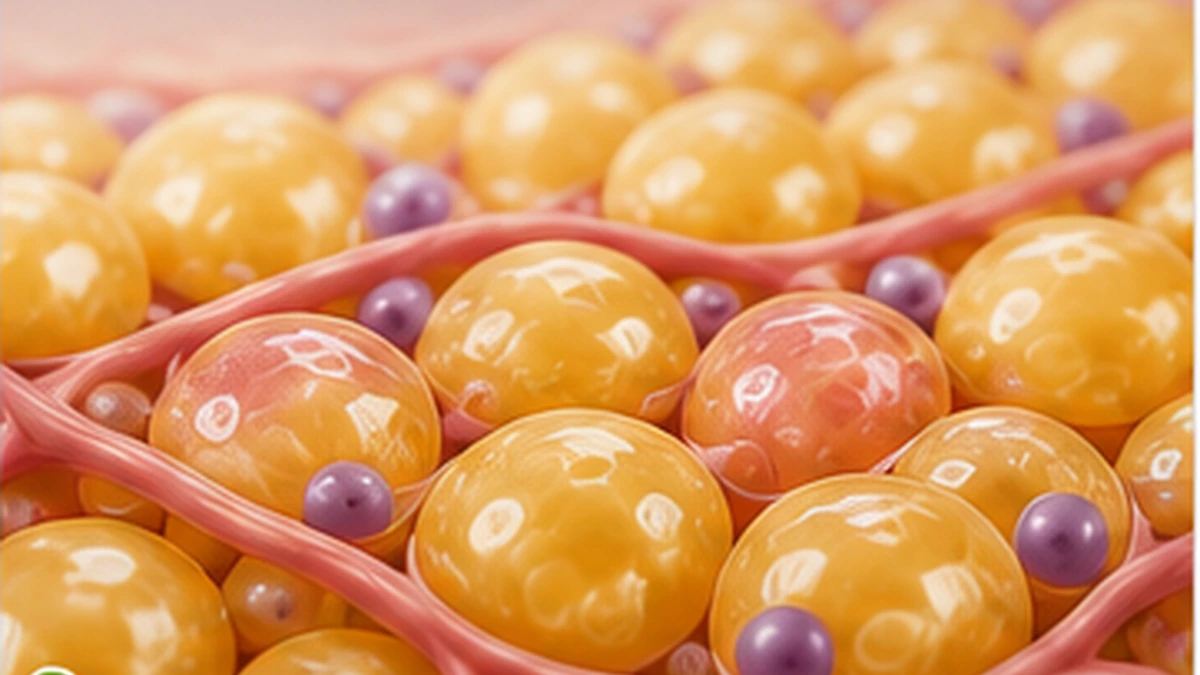
Researchers have studied adipose-derived stromal cells because adipose tissue can provide access to cell populations with characteristics relevant to regenerative medicine research. Studies comparing bone marrow and adipose sources have found biological differences between their stromal cell populations, which is one reason the tissue source should not be treated as an insignificant detail.
Adipose-Derived Cells Are Not All the Same Product
A critical distinction is the difference between a defined, characterized cell population and a mixed cellular preparation.
For example, the term stromal vascular fraction, or SVF, refers to a heterogeneous population obtained from adipose tissue. It should not automatically be treated as synonymous with purified or culture-expanded mesenchymal stromal cells.
Collection method, isolation, processing and laboratory handling can substantially change what is eventually administered.
FDA specifically identifies adipose-derived products, including stromal vascular fraction, among regenerative medicine products that can be subject to FDA regulation and has warned consumers about unapproved products marketed for treating diseases and medical conditions.
So when someone says a therapy uses “adipose stem cells,” more information is needed before the description has much clinical meaning.
Cord Blood and Other Birth-Associated Tissues Need to Be Distinguished
Another area that often creates confusion is the use of terms such as cord blood, umbilical cord tissue, Wharton’s jelly, placenta and amniotic products.
These materials do not represent one identical stem cell source.

Cord Blood
Umbilical cord blood is an established source of hematopoietic stem and progenitor cells. Cord-blood-derived hematopoietic products have long been used for specific disorders affecting blood formation.
Cord blood should not be confused with umbilical cord tissue.
Umbilical Cord Tissue and Wharton’s Jelly
Wharton’s jelly is connective tissue found within the umbilical cord. Researchers have studied stromal cell populations derived from birth-associated tissues, including umbilical cord tissue.
Those research interests do not mean every commercial product described as “umbilical cord stem cells” has been shown to be safe and effective for every condition for which it is promoted.
FDA has specifically warned consumers about unapproved regenerative products derived from sources including umbilical cord blood, Wharton’s jelly and amniotic fluid when they are promoted for unsupported uses.
The practical lesson is simple: the name of the tissue source does not establish clinical effectiveness.
Patient-Derived and Donor-Derived Cells Are Different
Stem cell therapies can also be classified according to who supplies the cells.
Autologous Cells Come From the Patient
An autologous cell product begins with cells collected from the same person who will later receive them.
The potential advantage is biological compatibility because the cells originate from the patient. That does not automatically make the procedure safe, effective, FDA-approved or appropriate for a particular condition.
Collection, processing, cell identity, dose, route of administration and the medical indication still matter.
Allogeneic Cells Come From a Donor
Allogeneic cells come from another person.
Donor-derived cells can offer practical advantages in certain medical settings, including the ability to prepare standardized products or select donors based on defined criteria. They also introduce additional considerations involving immune compatibility, donor screening, manufacturing and quality control.
The ISSCR notes that stem cell treatments may involve cells obtained from either the patient or a donor, and that cells can undergo laboratory manipulation before administration.
Neither “your own cells” nor “donor cells” should be treated as a quality guarantee. The relevant question is whether the specific product and use have adequate scientific and regulatory support.
Embryonic Stem Cells Have Broad Developmental Potential
Human embryonic stem cells are pluripotent. This means they can develop into nearly all specialized cell types of the adult body under appropriate conditions.
That broad developmental potential makes them scientifically valuable, particularly for studying development and creating specialized cells for research or potential therapeutic applications.
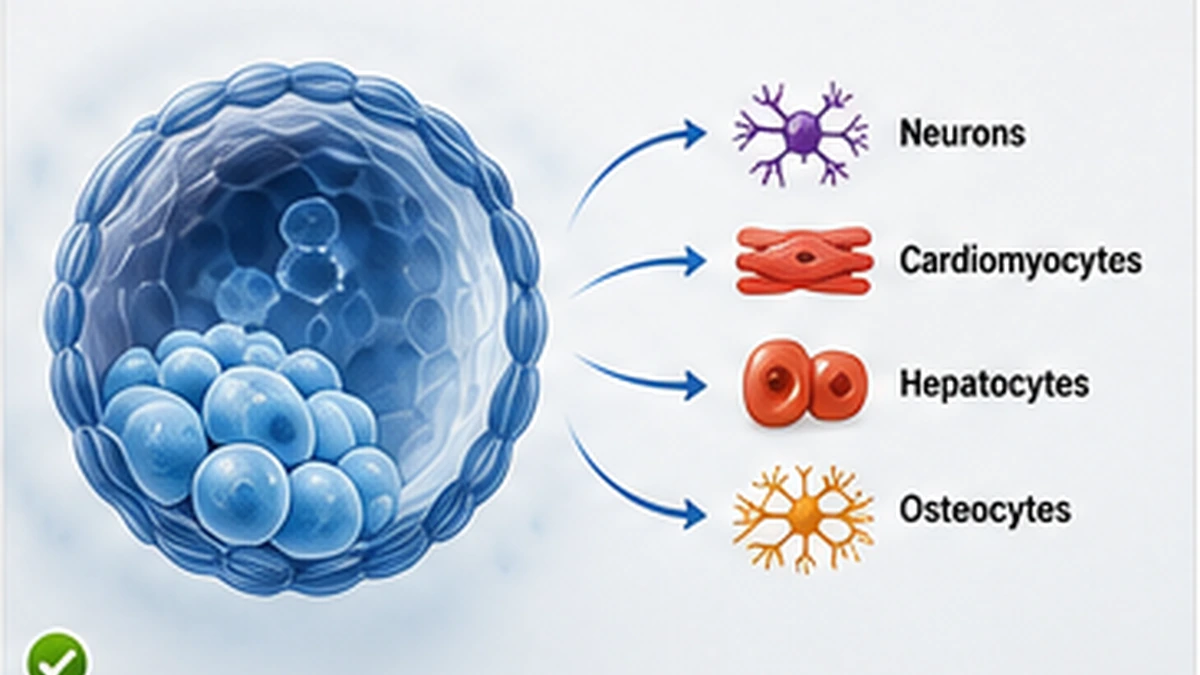
At the same time, pluripotency introduces challenges.
Researchers must control how these cells grow and differentiate. Undifferentiated pluripotent cells cannot simply be injected and expected to repair damaged tissue. The ISSCR cautions that undifferentiated pluripotent stem cells may form tumors if administered to patients.
For that reason, therapies derived from pluripotent stem cells generally require controlled manufacturing, differentiation into the intended cell type, extensive testing and formal clinical development.
The biological potential of a stem cell does not by itself make it ready for routine patient treatment.
Induced Pluripotent Stem Cells Start With Mature Cells
Induced pluripotent stem cells, or iPSCs, changed stem cell research by showing that mature cells could be reprogrammed into a pluripotent state.
Scientists can take differentiated adult cells and reprogram them so they behave in important ways like embryonic pluripotent stem cells. NIH identifies iPSCs as one of the major categories of pluripotent stem cells.
Their value reaches beyond direct treatment.
Researchers use iPSCs to:
- Study how diseases develop
- Produce specialized cells for laboratory research
- Create disease models
- Test potential medicines
- Investigate personalized biological responses
- Develop future cell-based therapies
A useful distinction for patients is that a technology can be highly important to regenerative medicine research without being a routine clinical therapy for a particular disease.
The Term Mesenchymal Stem Cell Requires Extra Care
Few terms in regenerative medicine create as much confusion as “mesenchymal stem cell.”
You may see MSCs described as cells from bone marrow, adipose tissue, umbilical cord tissue and other sources. But cells collected from different tissues should not automatically be considered biologically identical.
The ISCT specifically recommends identifying the tissue origin when discussing MSCs because source-related characteristics matter.

Why “Stromal” Can Be More Accurate Than “Stem”
The word “stem” implies specific biological capabilities, including self-renewal and differentiation potential.
A mixed stromal cell population does not automatically satisfy every scientific criterion needed to establish true stemness. Calling every MSC preparation a “stem cell” preparation can therefore communicate more certainty than the biology supports.
This is more than a terminology debate. Precise language helps patients compare research and treatment claims without assuming that every product carrying the same acronym is equivalent.
For a broader explanation of cell-based treatment concepts, Cendant’s stem cell and regenerative medicine guide provides additional background on regenerative therapies and treatment processes.
Cell Source Is Only One Part of the Treatment
Two clinics could both describe a procedure as “bone marrow stem cell treatment” while actually using different preparations.
One might use freshly collected bone marrow aspirate that contains many types of cells. Another research protocol might isolate, characterize or expand a particular cell population under controlled laboratory conditions.
Those are not biologically identical interventions.
Important variables include:
- Tissue source
- Cell population
- Collection method
- Cell separation method
- Culture or expansion
- Storage conditions
- Viability
- Purity
- Dose
- Route of administration
- Donor screening
- Manufacturing controls
- Testing for contamination
- Intended medical use
This is why comparing treatments only by saying “bone marrow versus adipose” can oversimplify the decision.
Source matters, but so does everything that happens between collection and administration.
Does One Stem Cell Source Work Better Than Another?
There is no responsible universal answer.
Different cell sources have different biological properties, and their usefulness depends on what researchers or clinicians are trying to accomplish. Evidence from one cell product, preparation or medical condition cannot automatically be transferred to another.

Imagine, for example, that a study examines a carefully defined population of laboratory-characterized cells for one disease. A commercial treatment that uses a mixed preparation from the same tissue source should not be assumed to produce the same result simply because both are described using the words “stem cells.”
Condition-specific evidence matters.
Someone researching joint disease may need different information from a person investigating a neurological condition. Cendant’s educational articles on stem cell therapy for knee osteoarthritis and stem cell therapy for diabetic neuropathy illustrate why regenerative medicine questions need to be examined within the context of a specific diagnosis rather than as one universal treatment category.
Readers researching musculoskeletal symptoms can also review information about stem cell therapy for joint pain, while neurological topics should be considered within the broader context of neurological conditions and regenerative medicine.
FDA Status Depends on the Specific Product and Intended Use
One of the most important distinctions for patients is the difference between a field of medical research and an FDA-approved treatment.
FDA regulates cellular therapies and other regenerative medicine products in the United States. Its current licensed cellular and gene therapy list includes multiple approved products, including therapies that use hematopoietic stem or progenitor cells for specific medical indications.
That does not mean stem cell products are broadly approved for unrelated conditions.
FDA continues to warn that many regenerative medicine products are marketed without approval for conditions such as orthopedic disorders, neurological diseases, chronic pain and other health problems. The agency has also reported serious adverse events associated with some unapproved regenerative products.
This creates an important distinction:
An approved stem cell or cell-based therapy for one specific disease does not validate a different cell product marketed for another disease.
Regulatory status should therefore be checked for the exact product, intended use and treatment context being considered.
Questions to Ask Before Considering a Stem Cell Treatment
A patient does not need to become a cell biologist to ask useful questions.
Start with the information that identifies exactly what is being offered.
What Exactly Is the Cell Product?
Ask for the specific name and description of the cells rather than accepting “stem cells” as the complete answer.
Useful follow-up questions include:
- What tissue are the cells obtained from?
- Are the cells from me or from a donor?
- What cell populations are actually present?
- Are the cells isolated, concentrated, cultured or expanded?
- What processing occurs before administration?
- How is the product tested for identity, viability, sterility and contamination?
What Evidence Supports This Specific Use?
Research involving one cell source does not prove that every preparation from the same tissue will behave identically.
Ask whether published human evidence concerns:
- The same cell type
- The same source
- The same preparation
- The same route of administration
- The same medical condition
A clinician should also be able to discuss uncertainties and limitations, not just potential benefits.
What Is the Regulatory Status?
Ask whether the product is FDA-approved for the proposed use or whether it is being administered as part of an FDA-authorized clinical investigation when such authorization is required.
Being listed on ClinicalTrials.gov alone does not mean a product has FDA approval. FDA specifically cautions consumers about making that assumption.
What Are the Known and Plausible Risks?
Risk can depend on the cells, processing, route of administration and patient’s medical history.
FDA has identified concerns associated with unapproved regenerative medicine products that include infection, inflammatory or immune reactions, contamination, unintended tissue growth and other serious complications.
Individual risk assessment requires a qualified healthcare professional who understands the patient’s diagnosis, medical history and the exact intervention being considered.
Making Sense of Stem Cell Sources Before Your Next Step
The source of a stem cell matters, but it is only the beginning of the evaluation.
Bone marrow, adipose tissue, cord blood, donor tissues, embryonic stem cells and induced pluripotent stem cells differ in their biology and medical roles. Even within one source, collection and processing can result in very different cell preparations.
A useful evaluation therefore moves through several questions:
What cells are these? Where did they come from? How were they processed? What evidence applies to this exact product and condition? What is its regulatory status? What are the realistic limitations and risks?
Those questions provide far more useful information than the label “stem cell therapy” alone.
If you’re considering regenerative medicine and want to discuss how cell source, medical history, diagnosis and treatment goals may affect your options, you can talk with Cendant Stem Cell Center about your questions and candidacy. A personalized medical evaluation is necessary before deciding whether any procedure is appropriate for you.