
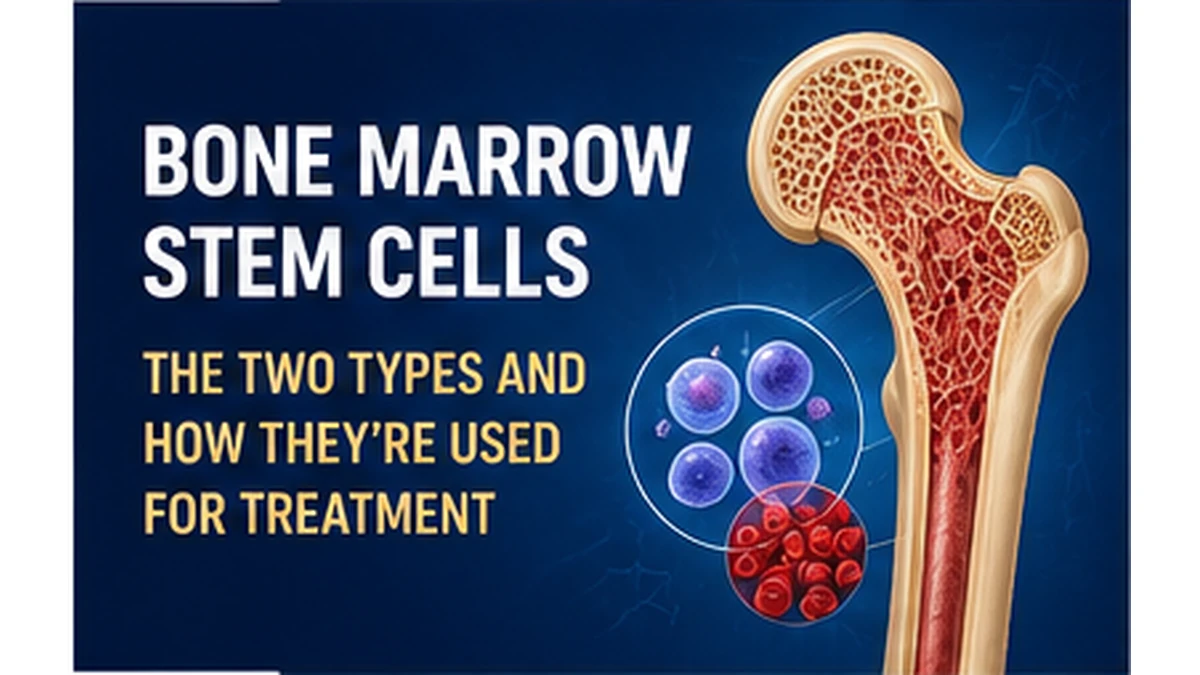
Bone marrow contains several specialized cell populations, but two are especially important when discussing bone marrow stem cells: hematopoietic stem cells (HSCs) and mesenchymal stromal cells (MSCs), often called mesenchymal stem cells.
These cells live within the same complex bone marrow environment, yet they perform very different jobs. HSCs are responsible for producing blood and immune cells. MSCs help support the bone marrow environment and can develop into cell types associated with bone, cartilage, and fat.
That distinction matters because the medical evidence, regulatory status, collection methods, and potential uses of these two cell populations are not the same.
For patients exploring regenerative medicine, understanding those differences can make it easier to separate established stem cell treatments from therapies that remain investigational.
What Is Bone Marrow and Why Does It Contain Stem Cells?
Bone marrow is the soft, vascular tissue found inside many bones. It serves as an important environment for blood-cell production while also containing supporting cells that help regulate how those blood-forming cells develop.
Bone marrow is commonly described as either red marrow or yellow marrow.
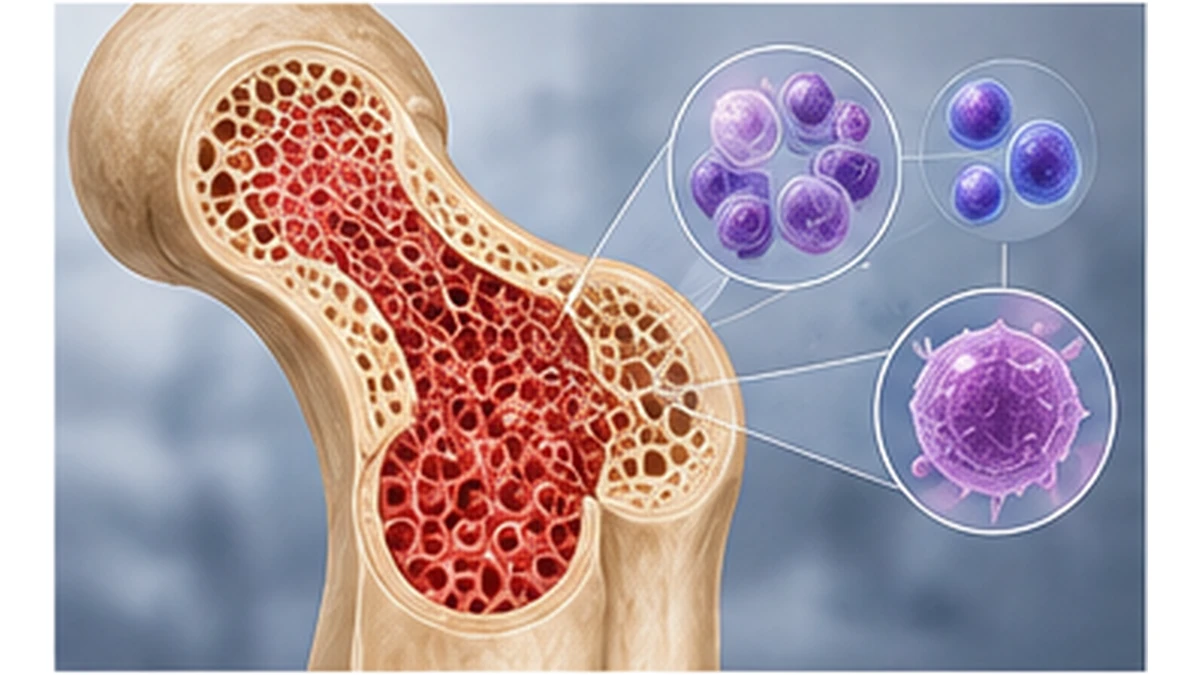
Red Bone Marrow
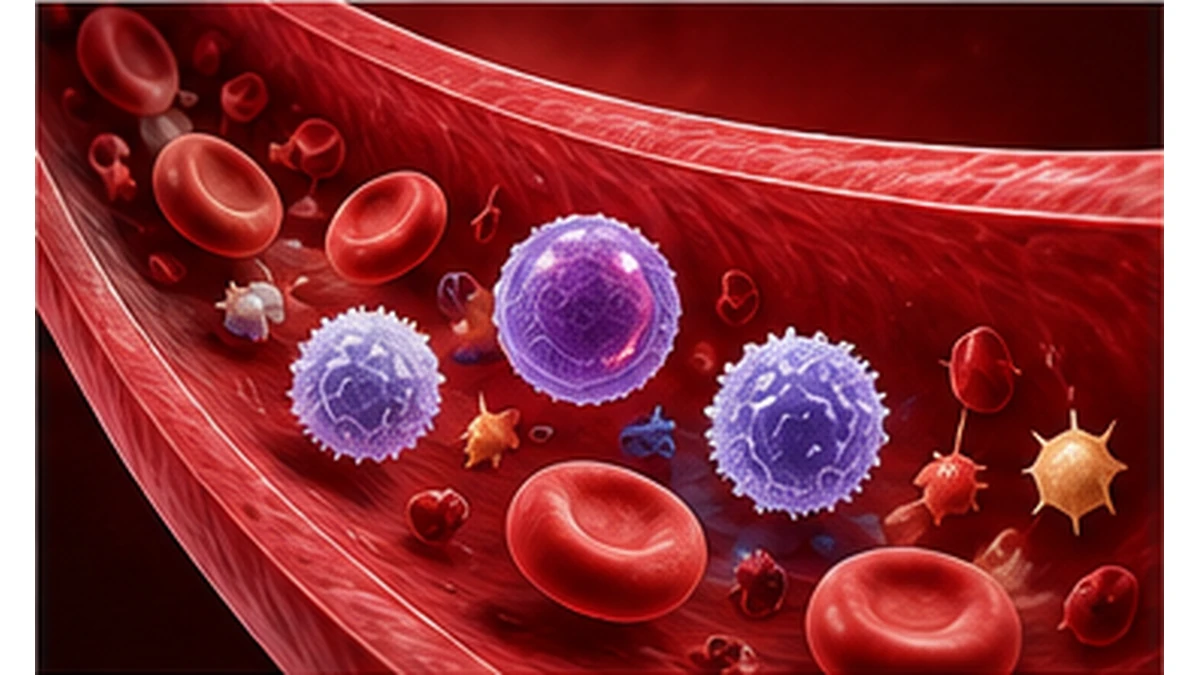
Red marrow is the primary site of blood formation, a process known as hematopoiesis. It contains blood-forming stem cells that ultimately produce:
- Red blood cells, which carry oxygen
- White blood cells, which participate in immune defense
- Platelets, which help control bleeding
The National Cancer Institute describes red marrow as containing blood stem cells capable of developing into red blood cells, white blood cells, and platelets.
Yellow Bone Marrow
Yellow marrow contains a much larger proportion of fat. It also contains stromal and progenitor cell populations associated with tissues such as bone, cartilage, and fat.
The distinction between red and yellow marrow is useful, but it should not be interpreted as meaning that HSCs belong exclusively to one compartment and MSCs exclusively to another. Bone marrow is a complex biological niche in which multiple cell populations interact.
The Two Main Stem Cell Populations Found in Bone Marrow
When people refer to the “two types of bone marrow stem cells,” they are usually describing hematopoietic stem cells and mesenchymal stromal/stem cells.
Their similarities largely end with the fact that both can be found within the bone marrow environment.
| Characteristic | Hematopoietic Stem Cells (HSCs) | Mesenchymal Stromal Cells (MSCs) |
|---|---|---|
| Primary role | Produce blood and immune cells | Support the marrow environment and form certain connective-tissue cell types |
| Major cell lineages | Red blood cells, white blood cells and platelets | Bone-, cartilage- and fat-associated lineages |
| Established medical role | Hematopoietic stem cell transplantation | More limited; many applications remain investigational |
| Common context | Leukemia, lymphoma and certain blood disorders | Regenerative medicine and tissue-repair research |
| Terminology | Blood-forming stem cells | Often called mesenchymal stem cells, although “stromal cells” is also widely used |
Understanding that distinction is important because an HSC transplant performed for a blood cancer is fundamentally different from an orthopedic procedure that may involve bone marrow-derived cellular material.
Hematopoietic Stem Cells: The Cells That Rebuild Blood
Hematopoietic stem cells, or HSCs, are blood-forming stem cells.
Their defining function is their ability to renew themselves and generate the cell lineages needed for normal blood production. Through several stages of differentiation, HSCs ultimately contribute to red blood cells, platelets and multiple types of immune cells.
Why HSCs Matter in Medicine
HSCs have a long-established role in hematopoietic stem cell transplantation.
These transplants may be used for certain cancers that affect blood-forming tissues, including leukemia, lymphoma, multiple myeloma and myelodysplastic syndromes. They are also used in selected noncancerous blood disorders.
The goal is not simply to “inject stem cells into a disease.”
In many cancer treatments, intensive chemotherapy or radiation damages or destroys the patient’s blood-forming system. Transplanted HSCs can restore the bone marrow’s ability to produce new blood cells.
HSCs Do Not Always Come Directly From Bone Marrow
The term bone marrow transplant can create the impression that blood-forming stem cells are always collected directly from marrow.
That is no longer the case.
Most HSCs used for transplantation are collected from circulating blood. Blood-forming stem cells can also come from bone marrow or umbilical cord blood.
Depending on the situation, a transplant may be autologous, using the patient’s own cells, or allogeneic, using cells from a compatible donor.
Mesenchymal Stromal Cells: A Different Kind of Bone Marrow Cell
The second population commonly discussed is the mesenchymal stromal cell, frequently abbreviated as MSC.
These cells are found within the supportive environment of bone marrow and have very different biological functions from HSCs.
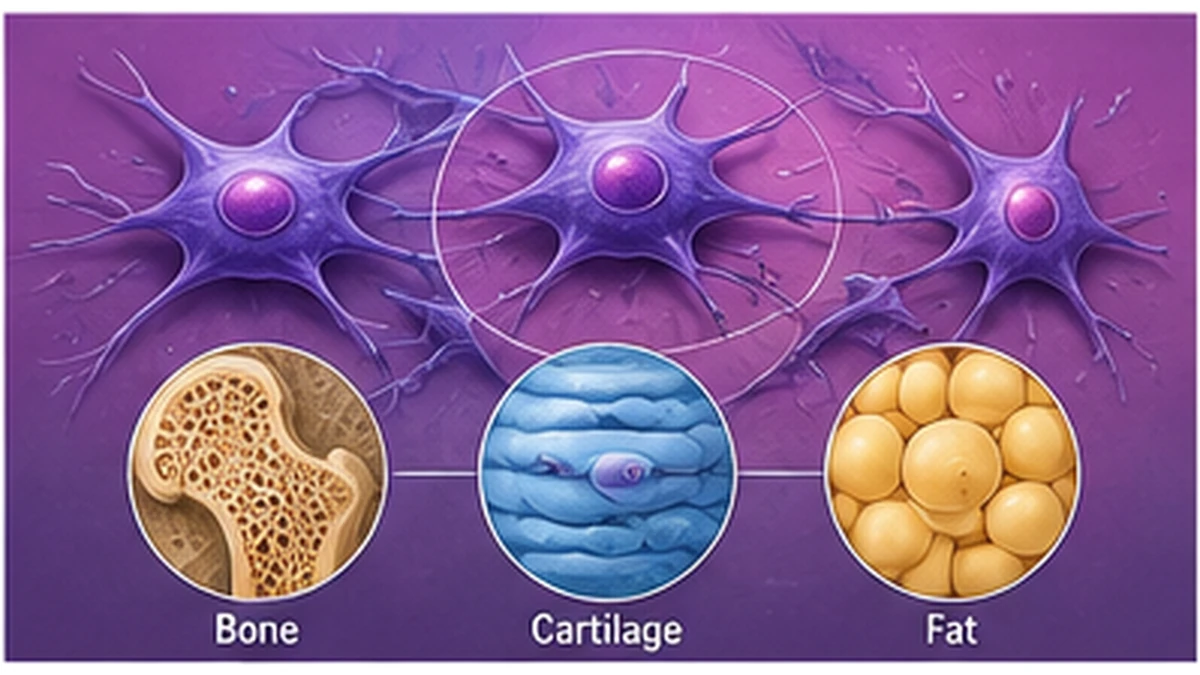
MSCs can give rise under appropriate conditions to cells associated with tissues including:
- Bone
- Cartilage
- Fat
They also contribute to the microenvironment that supports hematopoietic stem and progenitor cells. Research has shown that MSCs interact with HSCs and help regulate the bone marrow niche in which blood formation occurs.
This ability to interact with other cells, influence immune signaling and differentiate into certain connective-tissue lineages is one reason MSCs have attracted considerable interest in regenerative medicine research.
HSCs and MSCs Are Not Interchangeable
It is easy to group all stem cells together, but doing so can create misleading expectations.
HSCs and MSCs differ in their biological roles, clinical evidence and regulatory status.
An HSC used to rebuild a patient’s blood-forming system after cancer treatment is not doing the same job as an MSC being investigated for tissue repair or immune modulation.
This is particularly important when reading claims about stem cell therapy online. The phrase “stem cell treatment” by itself does not tell you:
- Which cell type is being used
- Where the cells came from
- How the cells were processed
- Whether the treatment is FDA-approved
- Whether the intended use is established or investigational
- What clinical evidence supports the treatment
Patients considering regenerative treatments should therefore evaluate the specific procedure rather than assuming that evidence supporting one type of stem cell applies to every other type.
For additional context, our stem cell and regenerative medicine guide explains the broader concepts involved in regenerative care.
How Bone Marrow Cells May Be Collected
Bone marrow may be obtained through a procedure called bone marrow aspiration.
During aspiration, a physician inserts a specialized needle into a bone to withdraw liquid marrow. The pelvic bone is a common collection site because it provides access to a substantial amount of marrow

Local anesthesia or other forms of pain control may be used depending on the procedure.
The collected material is known as bone marrow aspirate.
Bone Marrow Aspirate Is a Mixture of Cells
Another important distinction is that bone marrow aspirate is not composed entirely of stem cells.
It contains a mixture that can include blood cells, platelets, progenitor cells, stromal cells and other components of the marrow environment.
The way this material is processed depends heavily on why it was collected.
For hematopoietic transplantation, collection, testing, cell preparation and administration follow specialized transplantation protocols.
In some regenerative medicine settings, bone marrow-derived preparations may instead be evaluated for musculoskeletal applications. These approaches should not be confused with hematopoietic stem cell transplantation.
Where Bone Marrow-Derived Cells Are Being Studied in Regenerative Medicine
MSCs and other bone marrow-derived cell preparations have been investigated extensively because of their potential roles in tissue repair, inflammatory signaling and the body’s response to injury.
Orthopedic research is one major area of interest.

Researchers have studied bone marrow-derived cellular therapies in relation to cartilage damage, joint degeneration and other musculoskeletal conditions. Patients researching these approaches may also want to understand the broader field of orthopedic regenerative care.
For example, osteoarthritis involves progressive changes within the joint, including deterioration of cartilage. Cendant provides additional information about osteoarthritis and its treatment considerations.
For knee-specific concerns, our guide to stem cell therapy for knee osteoarthritis discusses how regenerative approaches are being considered alongside other treatment options.
Research interest, however, should never be confused with regulatory approval or proof that a treatment works for every patient.
Established Stem Cell Uses vs. Investigational Uses
This is one of the most important distinctions for anyone researching stem cell treatment.
Hematopoietic stem cells have established medical uses, particularly in transplantation for certain cancers and blood disorders.
By contrast, many stem cell products promoted for orthopedic, neurological, metabolic, anti-aging or chronic-pain conditions do not have FDA approval for those uses.
The FDA specifically states that stem cell products marketed for conditions such as osteoarthritis, back pain, multiple sclerosis, ALS, Parkinson’s disease and several other neurological or orthopedic disorders have not been approved for those indications.
That does not mean regenerative medicine research has stopped.
It means the level of evidence and regulatory status varies considerably depending on the specific cells, procedure and condition being discussed.
For example, stem cell research continues in neurological medicine, but investigational therapies should not be presented as established cures. Patients exploring neurological conditions can review Cendant’s broader information about neurological care and regenerative medicine while discussing their individual situation with an appropriate medical professional.
Can Bone Marrow Stem Cells Treat Arthritis or Joint Pain?
Bone marrow-derived cell therapies are frequently discussed in connection with arthritis and chronic joint problems.
Research interest is driven partly by the biological characteristics of marrow-derived stromal cells and their interactions with cartilage, bone and inflammatory pathways. However, patient outcomes can vary, clinical protocols are not standardized across providers, and regulatory status must be considered.

The FDA does not currently recognize stem cell products as approved treatments for orthopedic conditions such as osteoarthritis, knee pain, back pain or tendon injuries.
Patients researching regenerative approaches for chronic joint symptoms can explore Cendant’s educational resources on stem cell therapy for joint pain and joint arthritis.
The appropriate treatment depends on the diagnosis, severity of structural damage, overall health, previous treatment history and other clinical factors. No single regenerative procedure is appropriate for every person with joint pain.
What Should Patients Ask Before Considering a Stem Cell Procedure?
The words “stem cell therapy” are not specific enough to evaluate a treatment.
Before deciding whether to proceed, patients should understand exactly what is being proposed.
Useful questions include:
- What type of cells are being used?
Ask whether the treatment involves hematopoietic cells, bone marrow aspirate, an MSC-containing preparation or another biological product. - Where are the cells obtained?
Sources may include the patient’s own marrow, peripheral blood, donated tissue or other biological materials. - How are the cells processed?
Collection and processing can substantially change the nature and regulatory classification of a cellular product. - Is this use FDA-approved?
Approval of one stem cell product does not mean all stem cell procedures are approved. - What evidence supports this treatment for my diagnosis?
Evidence should be relevant to the specific condition, cell type and procedure being proposed. - What alternatives should I consider?
A balanced consultation should include established treatments as well as investigational options. - What are the possible risks?
Even treatments using a patient’s own cells can carry procedural or biological risks.
The FDA has warned that unapproved regenerative products can cause serious complications and that being listed on ClinicalTrials.gov alone does not establish FDA approval.
Why a Medical Evaluation Matters Before Regenerative Treatment
Two people with similar symptoms may have very different underlying problems.
Consider knee pain as an example. One person may have mild cartilage degeneration, while another may have advanced joint-space loss, a meniscus injury or a mechanical problem that changes which treatment options make sense.

The same principle applies to back pain, neurological symptoms and chronic inflammatory conditions.
A medical evaluation helps determine:
- The likely source of symptoms
- Whether imaging or additional testing is appropriate
- Which conventional treatments remain available
- Whether a regenerative procedure is medically reasonable
- Whether the proposed treatment is established or investigational
- What benefits, limitations and risks should be considered
This is why stem cell treatment should begin with a diagnosis rather than with the assumption that a certain type of cell will solve a particular problem.
Understanding Bone Marrow Stem Cells Before Making a Treatment Decision
Hematopoietic stem cells and mesenchymal stromal cells are both important components of bone marrow biology, but they serve fundamentally different purposes.
HSCs rebuild the blood-forming system and have established roles in transplantation for certain cancers and blood disorders.
MSCs help support the marrow environment and can develop into certain connective-tissue cell types. Their biological properties have generated significant interest in regenerative medicine, but many proposed clinical applications remain investigational.
That distinction is essential.
Seeing the phrase “stem cell therapy” should prompt further questions about the exact cell type, source, processing method, medical indication, evidence and regulatory status.
Cendant Stem Cell Center provides educational information about regenerative medicine and evaluates patients individually to determine which options may be appropriate to discuss. If you are considering regenerative treatment and want to understand the potential options for your condition, you can contact Cendant Stem Cell Center to arrange an evaluation.