Stroke Treatment
Treatment
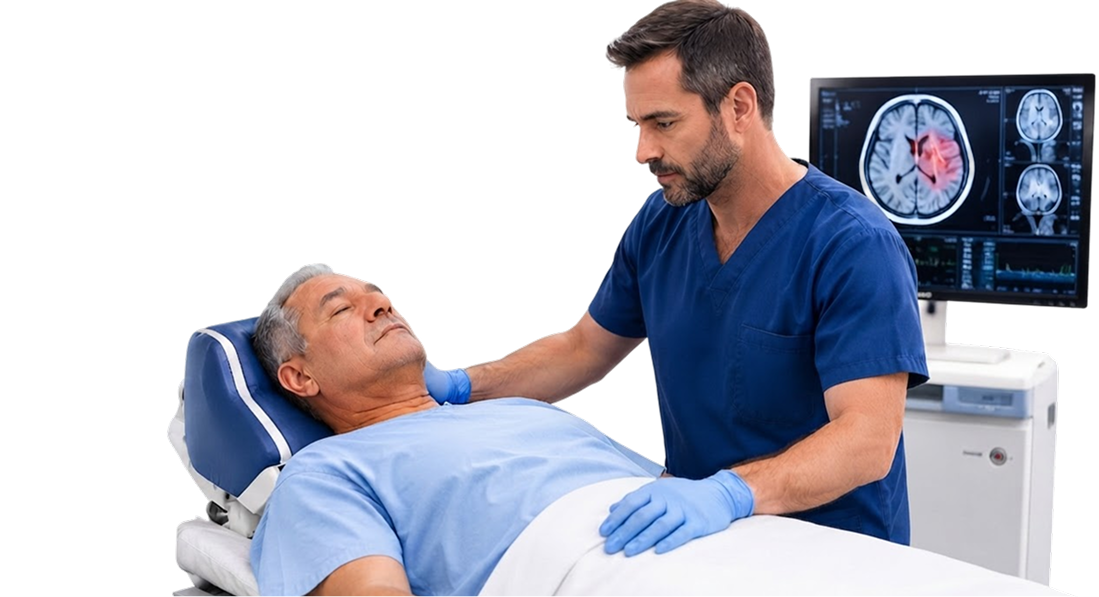
Discover Non-Surgical Treatment for Stroke Recovery
Stroke recovery is different for every individual. While traditional rehabilitation often focuses on physical therapy, occupational therapy, and symptom management, advanced treatment options offers an innovative approach centered on supporting cellular health and the body’s natural restorative processes.
What Is a Stroke?
High blood pressure
Heart disease
Diabetes
High cholesterol
Smoking
Obesity
Family history of stroke
Poor circulation
Advanced age
Previous stroke or TIA
Sedentary lifestyle
Certain cardiovascular conditions
Common Symptoms of Stroke Treatment
- Muscle weakness
- Partial paralysis
- Difficulty walking
- Balance and coordination problems
- Difficulty speaking
- Slurred speech
- Difficulty understanding language
- Memory challenges
- Reduced concentration
- Fatigue
- Difficulty swallowing
- Numbness or altered sensation
- Changes in vision
- Reduced independence with daily activities

Our Comprehensive Assessment Process

Comprehensive Medical History Review
We review your stroke history, symptoms and rehabilitation efforts to gain a complete understanding of your condition.

Functional Health Evaluation
Our team assesses your daily activity limitations.
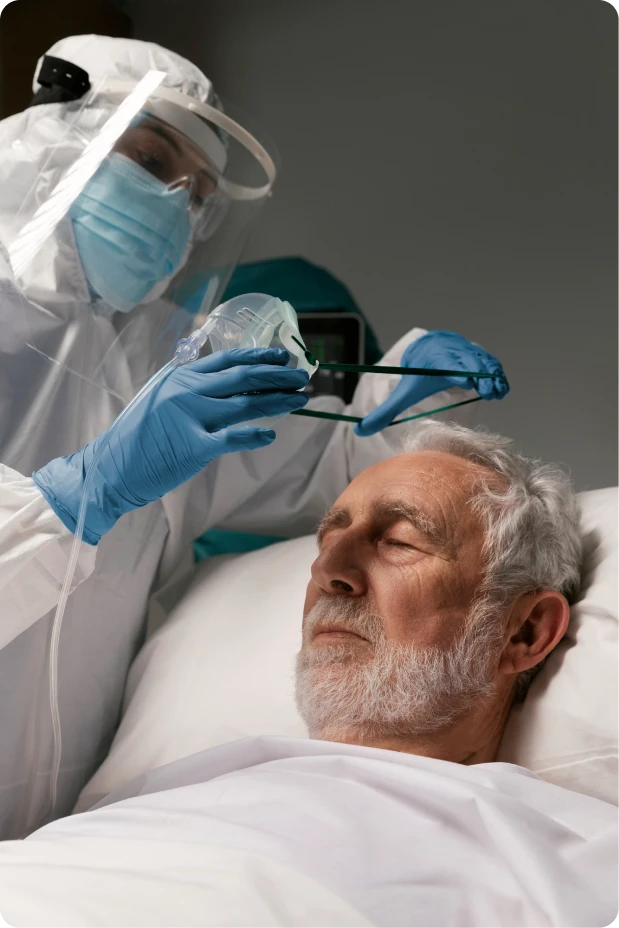

Diagnostic Review
Available specialist reports are carefully reviewed to assess your recovery status and overall health.

Personalized Treatment Planning
Based on our findings, we develop a customized advanced treatment options strategy tailored to your specific challenges and wellness goals.
Why Cendant's Cellular Program May Help Stroke Treatment
At Cendant Stem Cell Center, we take a patient-centered approach to advanced treatment options that focuses on supporting overall health, recovery, and quality of life.
- Personalized Treatment Plans
Every patient receives a customized care strategy developed around their recovery goals, symptoms, and health history. - Advanced Treatment Options
Our therapies are designed to support cellular health and promote a healthier healing environment throughout the body. - Focus on Function and Independence
We strive to help patients pursue improvements in mobility, daily function, and overall well-being. - Experienced Clinical Team
Our providers have experience working with complex neurological conditions and developing individualized treatment plans. - Comprehensive Support
From consultation through follow-up care, our team remains committed to supporting patients throughout every stage of their recovery journey.

Areas Commonly Impacted by Stroke Treatment
Many stroke survivors experience weakness, balance challenges, and difficulty walking, which can affect independence and daily activities.
A stroke may impact strength, coordination, and fine motor skills, making everyday tasks more difficult.
Some individuals experience difficulty speaking, understanding language, or expressing thoughts clearly following a stroke.
Memory, concentration, problem-solving abilities, and information processing may be affected after a stroke.
Changes in neurological function can impact stability and increase the risk of falls during movement.
Activities such as dressing, cooking, driving, personal care, and household responsibilities may become more challenging during recovery.
Frequently Asked Questions
What is a stroke?
What are the long-term effects of a stroke?
Can stroke survivors benefit from advanced treatment options?
Am I a candidate for treatment?
How long does stroke recovery take?
How do I get started?
Get Started Today
Tell Us About Your Condition
HOW CAN WE HELP YOU RIGHT AWAY?
Share your symptoms, concerns, or treatment goals and a Care Coordinator will contact you to discuss your options.
Patient Information
Patient Information
Disclaimer: Stem cell therapies are not approved by the FDA. Stem cells are not a cure for any condition, disease, or injury. The information on this page is not medical advice and is provided for educational and informational purposes only. To learn more about FDA regulations, please visit the following link.