


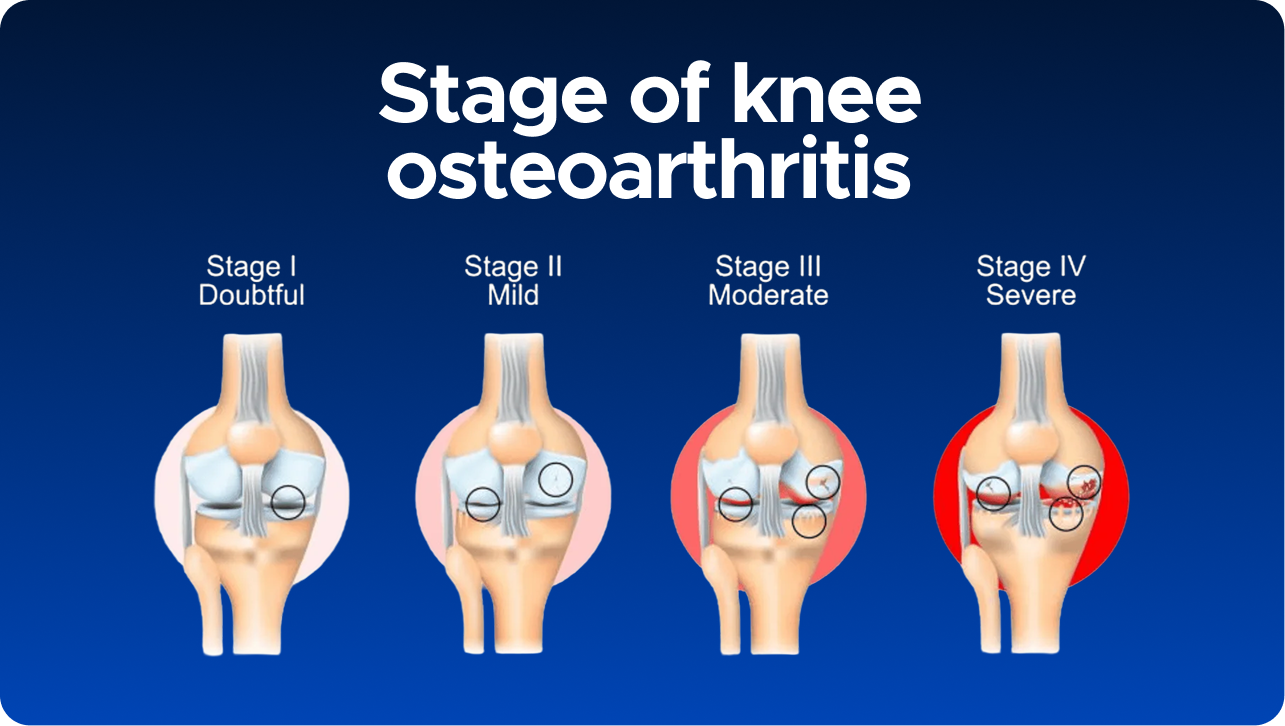
Joint pain can affect nearly every part of daily life. Simple activities such as walking, climbing stairs, exercising, or getting out of a chair can become difficult when discomfort, stiffness, or reduced mobility persists. Conditions such as arthritis, sports injuries, meniscus tears, ligament injuries, and degenerative joint problems can all contribute to ongoing pain.
For people who have tried conventional approaches without achieving the results they hoped for, regenerative medicine has become an area of growing interest. Stem cell therapy is one of the treatments being studied and offered in regenerative medicine, with the goal of supporting the body’s natural healing processes.

What Is Stem Cell Therapy?
Stem cells are unique cells that have the ability to develop into different types of cells and play important roles in tissue maintenance and repair. In regenerative medicine, physicians investigate how these cells and related biological materials may be used to support damaged or compromised tissues.
Stem cell-based treatments are not the same as traditional medications that simply target pain or inflammation. Instead, regenerative medicine focuses on the biological environment surrounding an injured or degenerating area.
Depending on the patient’s condition and treatment plan, regenerative approaches may involve stem cells along with other biological components. Cendant Stem Cell Center describes treatment options that may include stem cells, PRP, platelet lysate, or extracellular matrix, depending on the patient’s circumstances.
How Can Joint Problems Develop?
Joint pain can have many causes. Osteoarthritis, for example, develops as the tissues within a joint gradually change over time. Previous injuries, repetitive stress, aging, body mechanics, and certain medical conditions may also contribute to joint problems.
Common symptoms include:
- Joint pain during movement or activity
- Morning or prolonged-rest stiffness
- Swelling or tenderness
- Reduced range of motion
- Difficulty exercising
- Discomfort while walking or standing
- A feeling of weakness or instability
The location and severity of symptoms can vary considerably. Knee, hip, shoulder, ankle, elbow, and wrist problems may all require different approaches.
This is why an individualized medical assessment is important before considering regenerative treatment.
Why Consider a Regenerative Approach?
One reason regenerative medicine attracts attention is its focus on supporting the body’s own biological processes. Rather than approaching every patient with the same treatment, regenerative care may consider the underlying condition, medical history, symptoms, previous treatments, and personal goals.
For some patients, the goal may be to improve comfort and mobility. For others, it may be to explore options before considering more invasive procedures.
However, expectations should remain realistic. Stem cell therapy is still considered an experimental treatment for many conditions, and there is no guarantee that it will cure a disease or produce the same results for every patient. Cendant also states that outcomes can vary according to the individual, condition, and treatment goals.
Conditions Commonly Evaluated in Regenerative Medicine
Regenerative medicine may be considered in connection with several orthopedic conditions.
Knee and Joint Arthritis
Arthritis can cause pain, stiffness, swelling, and difficulty with everyday movement. Regenerative treatment is being investigated as an option for people seeking alternatives to conventional symptom-management approaches.
Sports Injuries
Athletes and active individuals may experience ligament injuries, meniscus tears, tendon problems, and other injuries that interfere with performance and mobility. A physician may evaluate whether regenerative approaches are appropriate based on the injury and the individual’s overall health.
Spine-Related Conditions
Degenerative disc disease and other sources of chronic spine pain can affect mobility and quality of life. Because spine conditions can have multiple causes, professional evaluation is particularly important before considering treatment.
Shoulder, Hip, Ankle, and Other Joint Problems
Joint discomfort is not limited to the knees. Shoulder, hip, ankle, elbow, and wrist conditions can also affect movement and independence. Treatment planning should account for the specific anatomy and diagnosis involved.
What Happens During the Evaluation?
A responsible regenerative medicine program begins with an evaluation rather than immediately recommending treatment.
The medical team may review your:
- Medical history
- Current symptoms
- Previous injuries
- Diagnostic imaging
- Previous treatments
- Medications and health conditions
- Treatment goals
At Cendant Stem Cell Center, patients undergo a medical review before personalized treatment recommendations are made. The center states that physicians evaluate whether treatment could be safe and appropriate for the individual before developing a physician-approved plan.
This process is important because regenerative treatment is not appropriate for everyone.
What Other Therapies May Be Used?
Regenerative medicine can involve more than one modality. A physician may consider complementary therapies based on the patient’s needs.
The treatment approach described by Cendant includes modalities such as orthobiologics, K-Laser, bone marrow aspirate concentrate (BMAC), PEMF therapy, and other supportive therapies.
The purpose of combining modalities is to create a treatment strategy tailored to the individual rather than relying on a one-size-fits-all approach.
Choosing the Right Treatment Provider
Anyone researching stem cell therapy should look beyond marketing claims. A qualified provider should explain the potential benefits, limitations, risks, alternatives, and uncertainties associated with treatment.
Consider asking:
- Is my condition appropriate for regenerative treatment?
- What treatment is being recommended and why?
- What evidence supports the proposed approach?
- What are the potential risks?
- What alternatives should I consider?
- What should I realistically expect during recovery?
- How will my progress be monitored?
Clear communication can help patients make informed decisions.
A Personalized Path Forward
Joint pain does not affect every person in the same way. Two people with similar diagnoses may have different symptoms, medical histories, activity levels, and treatment goals.
For this reason, personalized evaluation is an important part of regenerative medicine. Instead of assuming that one treatment works for everyone, physicians can assess the patient’s individual circumstances and determine whether a particular approach may be appropriate.
Cendant Stem Cell Center provides regenerative medicine services across multiple locations, including Denver, Houston, Dallas, Scottsdale, Fort Collins, Durango, Colorado Springs, Oklahoma City, Lubbock, Omaha, and other service areas.
Conclusion
Persistent joint pain can make everyday activities challenging, especially when conventional approaches have not provided the desired improvement. Stem cell therapy and other regenerative medicine approaches are being studied as potential options for selected orthopedic conditions.
Because these treatments are not guaranteed cures and may not be suitable for everyone, a thorough physician evaluation is essential. Understanding your diagnosis, treatment alternatives, potential benefits, and limitations can help you make a more informed healthcare decision.
Ready to explore your options? Speak with the team at Cendant Stem Cell Center to discuss your condition and learn whether a personalized regenerative medicine evaluation may be appropriate for you.
Visit: Cendant Stem Cell Center