


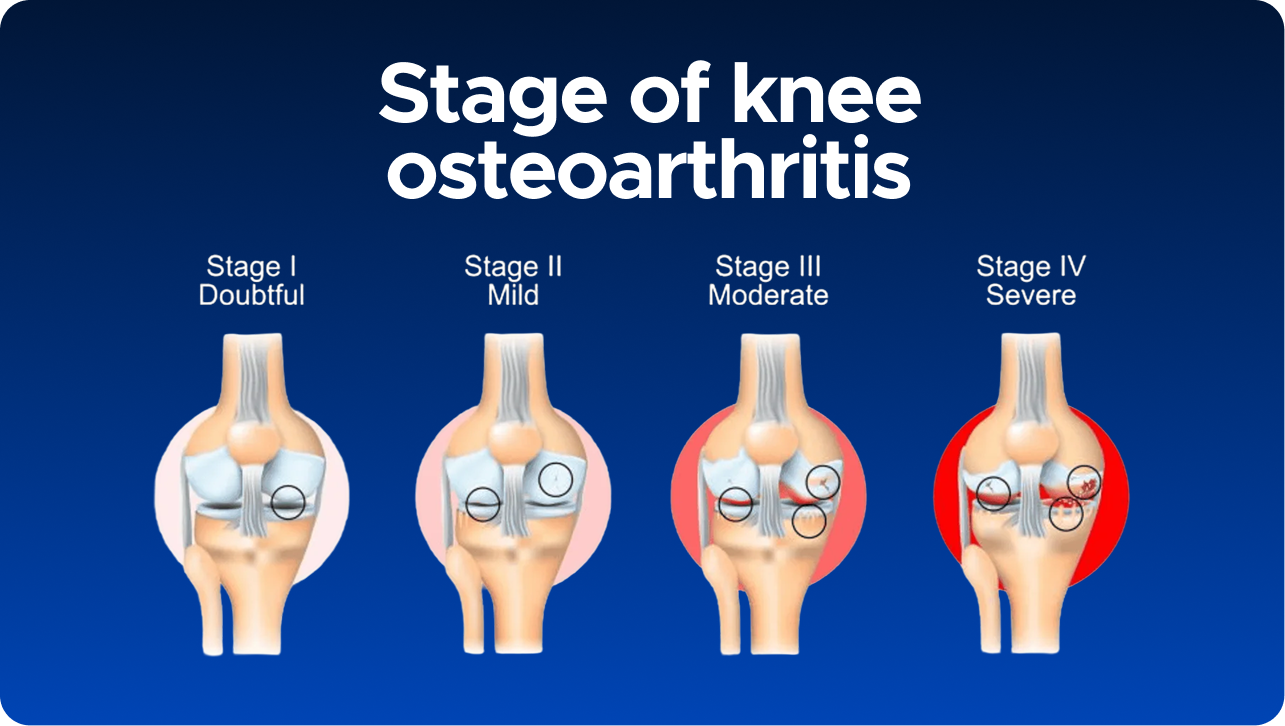
Regenerative medicine is attracting increasing interest among people looking for new approaches to chronic pain, mobility problems, injuries, and certain complex health conditions. Stem cell therapy is one component of this rapidly developing field.
Unlike treatments designed primarily to manage symptoms, regenerative medicine explores ways to support the body’s biological processes. For patients considering these therapies, understanding what they involve, who may be considered a candidate, and what realistic expectations look like is an important first step.

What Is Regenerative Medicine?
Regenerative medicine is a broad area of healthcare research focused on repairing, replacing, or supporting damaged cells, tissues, or biological functions.
Stem cells have attracted particular attention because of their ability to self-renew and their role in tissue development and repair. Researchers continue to investigate how different types of stem cells and biological products may be used in clinical applications.
At Cendant Stem Cell Center, regenerative medicine is presented as a personalized approach that may be used in connection with orthopedic, neurological, autoimmune, and wellness-related conditions.
It is important to understand that the evidence and regulatory status can vary substantially depending on the specific treatment, condition, and type of stem cell product being considered.
Why Are Patients Interested in Stem Cell Therapy?
Chronic conditions can be frustrating, particularly when symptoms continue despite previous treatments. Someone with persistent knee discomfort may struggle with walking or exercise. A person with a sports injury may find it difficult to return to normal activities. Individuals with chronic spine pain may experience limitations at work or home.
These challenges can lead patients to research alternatives.
Stem cell therapy has generated interest because of its potential role in supporting tissue repair and influencing the local biological environment. However, interest should not be confused with proven effectiveness for every medical condition.
Cendant’s own FAQ explains that stem cell therapy should not be considered a guaranteed cure and describes it as experimental.
Which Conditions May Be Evaluated?
Regenerative medicine is being researched across a wide range of conditions.
Orthopedic Conditions
Orthopedic applications are among the most commonly discussed areas of regenerative medicine. These may include:
- Joint arthritis
- Knee pain
- Hip pain
- Shoulder problems
- Meniscus tears
- Labrum tears
- Ligament injuries
- Sports injuries
- Spine pain
- Degenerative disc disease
The objective may be to address pain, mobility limitations, or tissue-related concerns depending on the patient’s diagnosis.
Neurological Conditions
Neurological disorders can be complex and require specialized medical evaluation. Conditions such as Parkinson’s disease, multiple sclerosis, and peripheral neuropathy are areas in which regenerative medicine continues to be researched.
Patients should be especially cautious about claims of cures or guaranteed disease reversal. These conditions require individualized evaluation and evidence-based medical guidance.
Autoimmune and Inflammatory Conditions
Cendant’s treatment information also identifies conditions such as inflammatory bowel disease, COPD, and lupus among conditions that may be evaluated in its regenerative medicine program.
Research in this area continues to develop, and patients should discuss established treatments and clinical evidence with their physicians before making decisions.
What Makes Personalized Treatment Important?
There is no universal regenerative treatment that is right for everyone.
Age, medical history, diagnosis, medications, previous procedures, current symptoms, and overall health can all influence whether a treatment may be appropriate.
Cendant Stem Cell Center describes a physician-led process in which patients receive a medical review before personalized recommendations are made.
This approach can help identify whether regenerative treatment is a reasonable option and whether additional medical evaluation is needed.
What Does the Treatment Process Look Like?
Patients may begin by sharing information about their symptoms and medical history with a care coordinator. Medical records and other relevant information may then be reviewed by the clinical team.
A typical pathway can include:
1. Initial Consultation
The process begins with a discussion about your symptoms, diagnosis, previous treatments, and goals.
2. Medical Record Review
Physicians review relevant medical information to determine whether regenerative treatment may be appropriate.
3. Personalized Recommendation
If a patient is considered a potential candidate, the medical team can discuss the recommended treatment and expected goals.
4. Treatment
The specific procedure depends on the patient’s condition and physician-approved treatment plan.
5. Follow-Up
Monitoring after treatment is important. Tracking symptoms, mobility, and overall progress can help physicians understand how the patient is responding.
What About Other Regenerative Therapies?
Stem cells are not the only modality used in regenerative medicine.
Depending on the patient’s condition, physicians may consider treatments or technologies such as platelet-rich plasma, platelet lysate, bone marrow aspirate concentrate, K-Laser, PEMF therapy, or other complementary approaches.
Cendant describes an integrative model that may combine different modalities based on the patient’s specific needs.
The goal of this personalized approach is not simply to provide a treatment but to develop a plan around the patient’s medical circumstances and goals.
What Should Patients Expect?
Patients should approach regenerative medicine with realistic expectations.
A treatment may help some individuals experience improvements in symptoms or function, while others may experience limited or no benefit. Outcomes depend on numerous factors, including the underlying condition, severity, overall health, and treatment approach.
There is also no guarantee that stem cell therapy will prevent disease progression or eliminate symptoms. Cendant explicitly states that treatment outcomes vary and that stem cell therapy should not be presented as a cure.
Having an honest discussion with a qualified physician is therefore essential.
Questions to Ask Before Choosing Treatment
Before moving forward, patients should consider asking:
- What is my exact diagnosis?
- Am I a suitable candidate?
- What type of regenerative treatment is being recommended?
- What evidence supports the treatment?
- What are the potential risks?
- Are there established alternatives?
- What happens if the treatment does not work?
- How will my progress be evaluated?
- What follow-up care will I receive?
These questions can help patients compare options and make decisions based on their individual circumstances.
Why Choose a Physician-Led Approach?
Regenerative medicine is a rapidly developing field. Cendant Stem Cell Center says its physicians stay current with developments in the field and evaluate patients before recommending treatment.
A physician-led approach is particularly valuable when dealing with chronic pain, complex orthopedic conditions, neurological disorders, or systemic health concerns. The right treatment should begin with an understanding of the patient—not simply the condition listed on a diagnosis.
Conclusion
Regenerative medicine offers an evolving area of treatment that continues to generate interest among patients dealing with chronic pain, orthopedic injuries, neurological conditions, and other health concerns. Stem cell therapy may be considered in selected circumstances, but it is not a guaranteed cure and should be approached with realistic expectations.
The most appropriate starting point is a comprehensive medical evaluation. Understanding your condition, available alternatives, potential risks, and expected outcomes can help you determine whether regenerative medicine deserves consideration as part of your healthcare journey.
Want to learn more about your treatment options? Contact Cendant Stem Cell Center to discuss your condition with the care team and explore whether a personalized evaluation may be appropriate.
Visit: Cendant Stem Cell Center